Photographic Content Analysis- Dedicated to extracting accurate details, through stringent analysis, grounded in truth and integrity.
Image usage, was key in rolling back a 1927 Lou Gehrig photograph to 1923. However, background details ultimately solidified a 1923 image origin year.
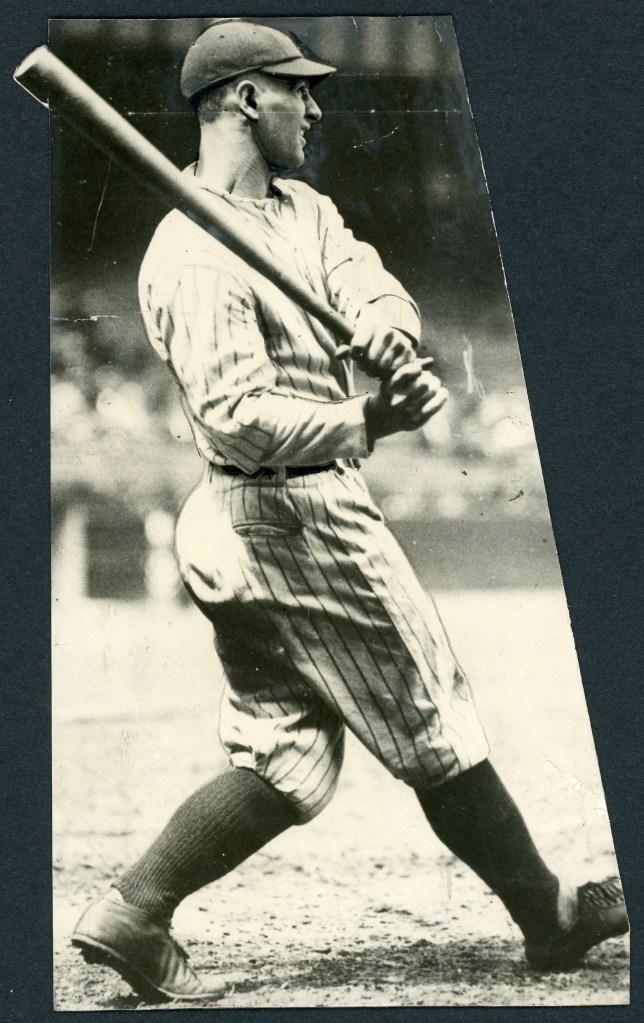
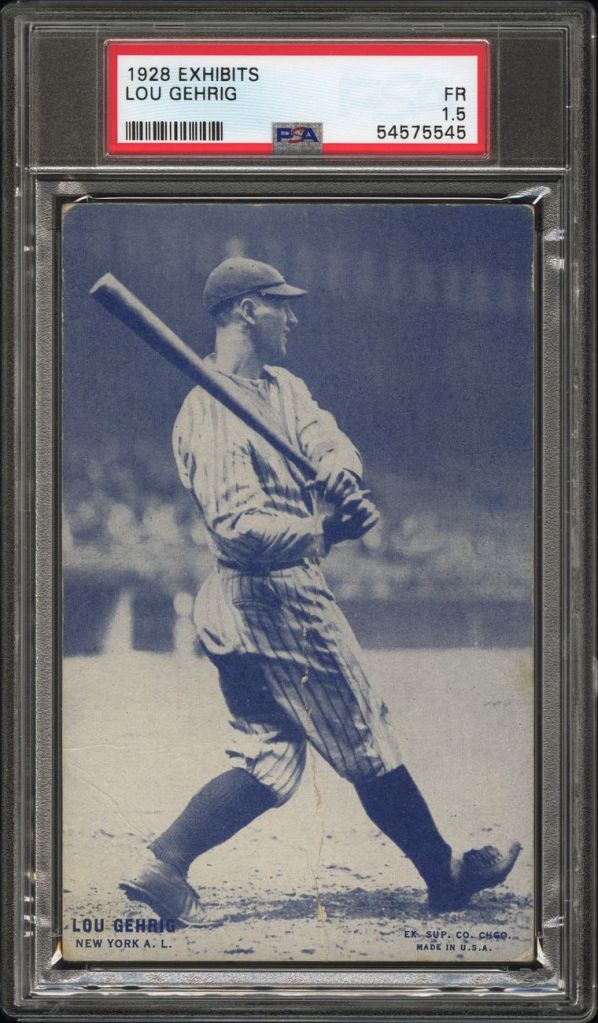
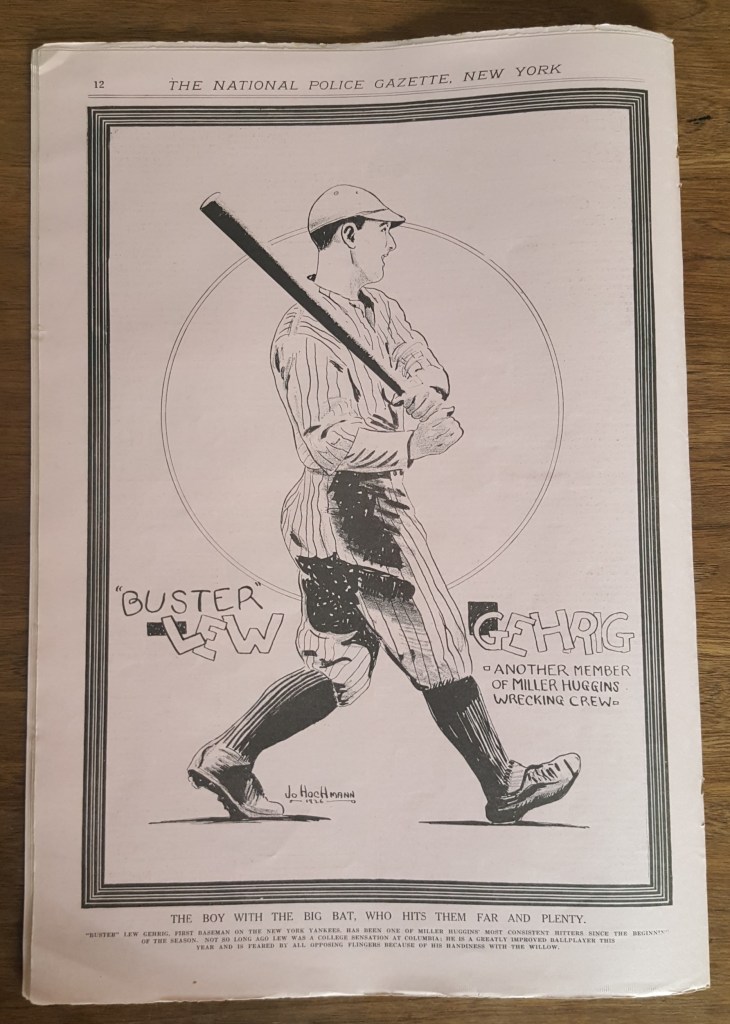
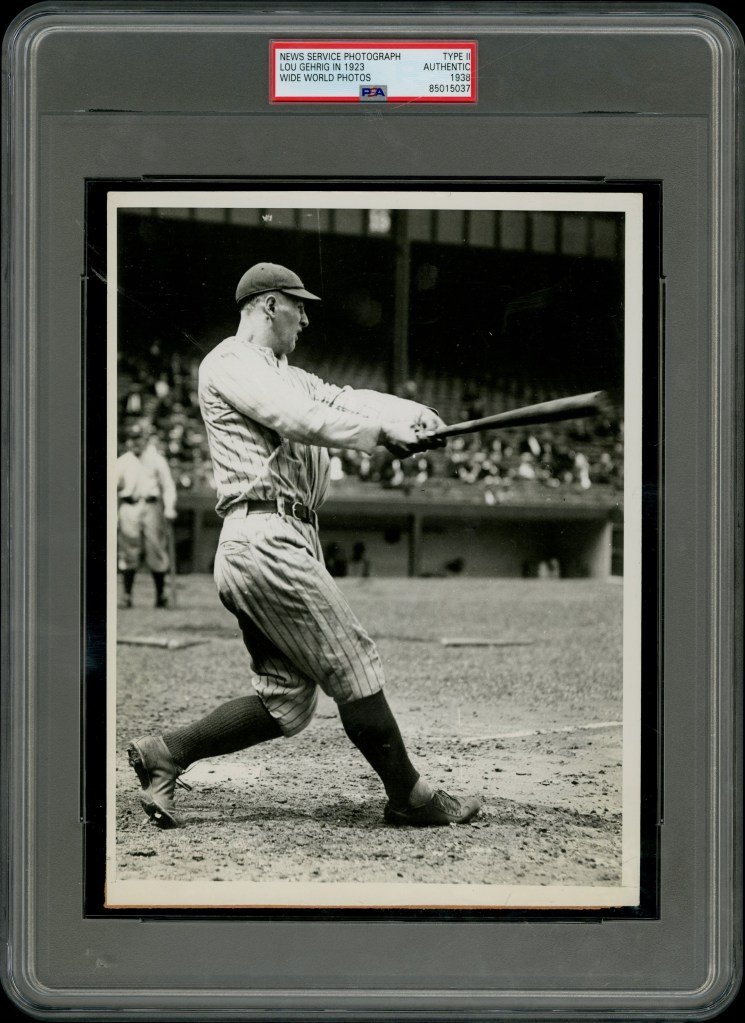
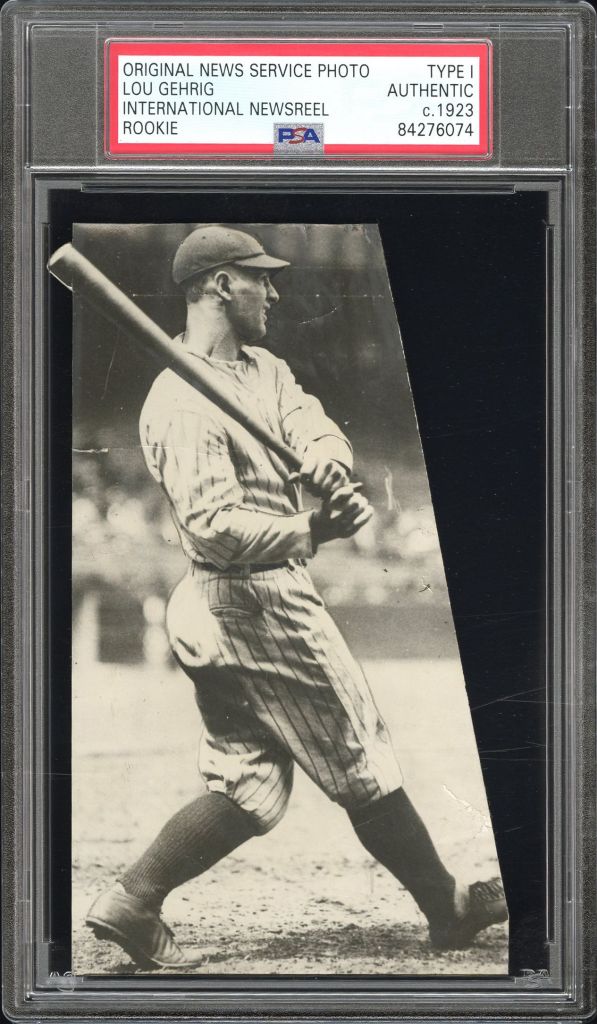
Research Process- A picture IS worth a thousand words- And realistically, so many more. The underlying concept for much of this research is that, a photograph cannot lie. Meaning that what is in the photograph, happened.
The key to an accurate photographic content analysis is to first, break down the content of the subject photo, to it’s most basic and undeniable elements. The “absolutes” of the photographic content are determined by methodically and (most importantly) critically examining all of the details within a photograph, including structures, features, persons, etc. and removing presumptions, assumptions, or questionable possibilities, which results in a bare bones figurative “image” to build upon; Through additional analysis, using credible resources and other photographic images and content to decipher the absolute and true content in the subject photograph.
The research style used in the majority of this research can best be described as a photographic narrative style, meaning that the subject photograph is reviewed and another relevant or related image is found, cross-referenced with known player facts and background details to determine a year or year span, set aside, another image is examined in the same fashion, and so on, until a pattern is created. The pattern is then tested against additional relevant photos to either confirm the dates or adjust the dates to fit the photographic data, based on the new photographic information. This methodology, although labor intensive, constructs a very reliable timeline, and most importantly it is based on multiple data points that are cross-checked by one another.
The research process can also be a dangerous undertaking, with hopes of “hitting a homerun” or finding a “diamond in the rough” (choose your own baseball themed innuendo), one must be careful to not manipulate the findings, with a bias from the start. It is important to have some type of inspiration or hypothesis, but it is even more important to not let either change the direction of the research, especially the findings. Often times, in the research process, topics are explored and analyzed that result in no significant findings, however they are left in the research in order to 1) ensure it is known that the aspect was explored, 2) the information may be relevant to another related research, and 3) it is part of the entire process.
Almost as important as the direct research findings, are the indirect findings. Some key research and additional information resulting from the analysis.

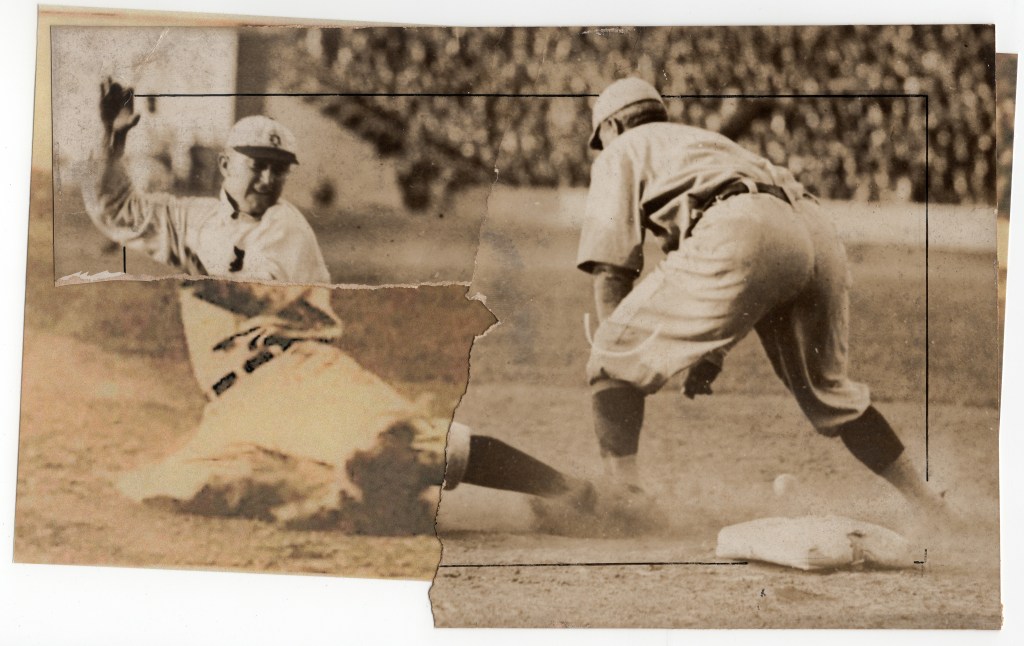
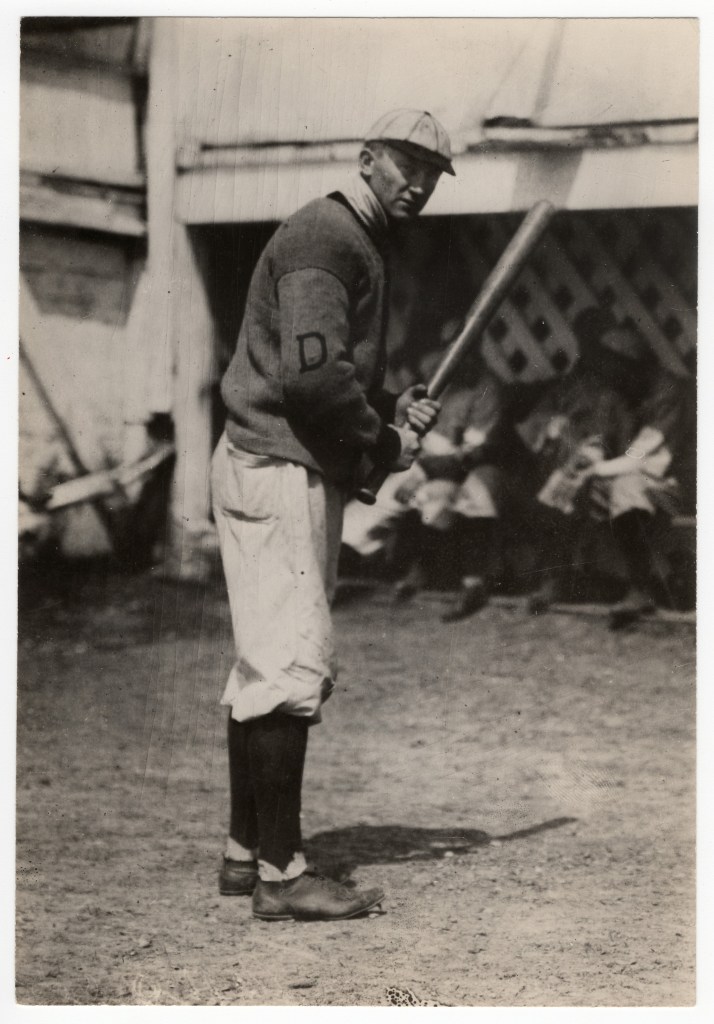
Client research that yielded more accuracies and additional intrinsic value.



If you have interest in a photographic content analysis (PCA), please use the form on the CONTACT page to inquire about my services.
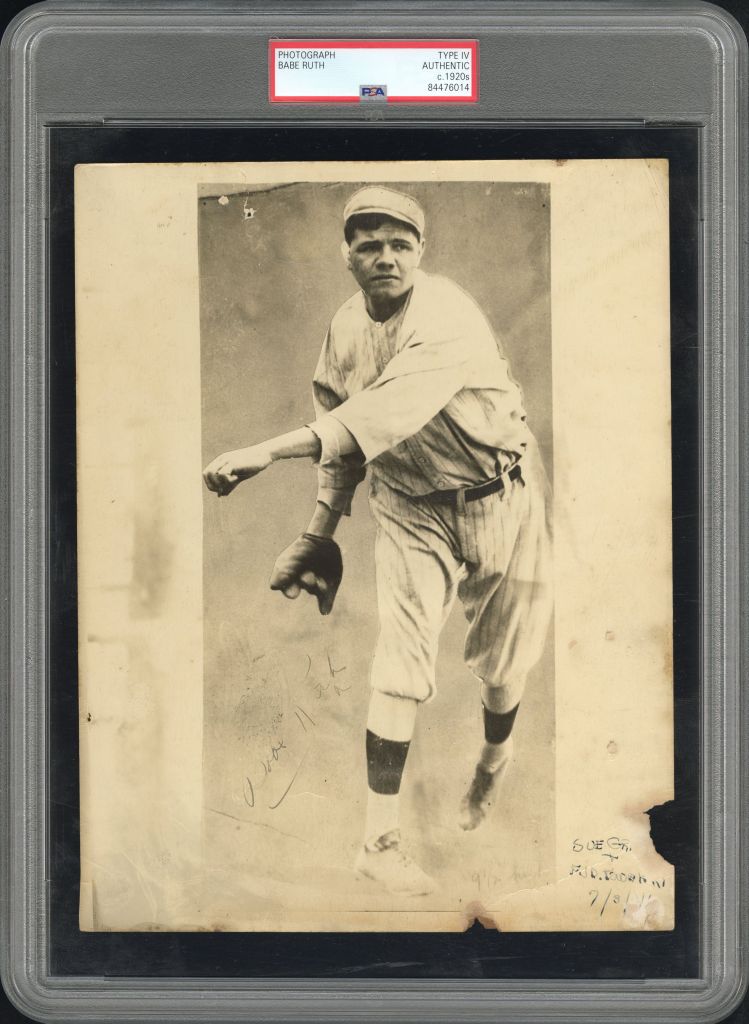
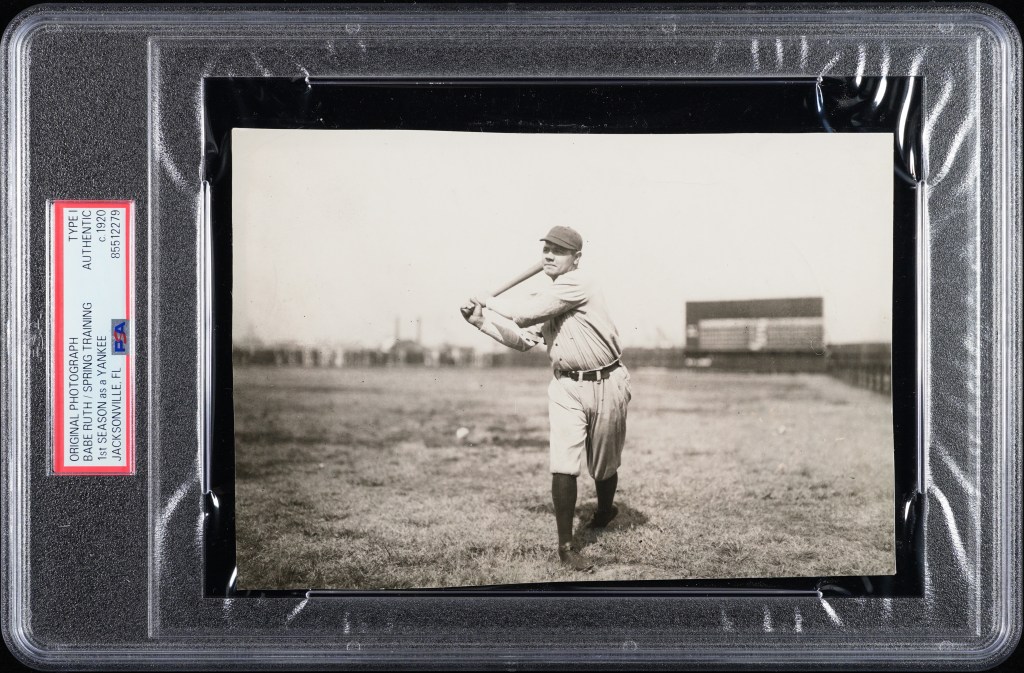
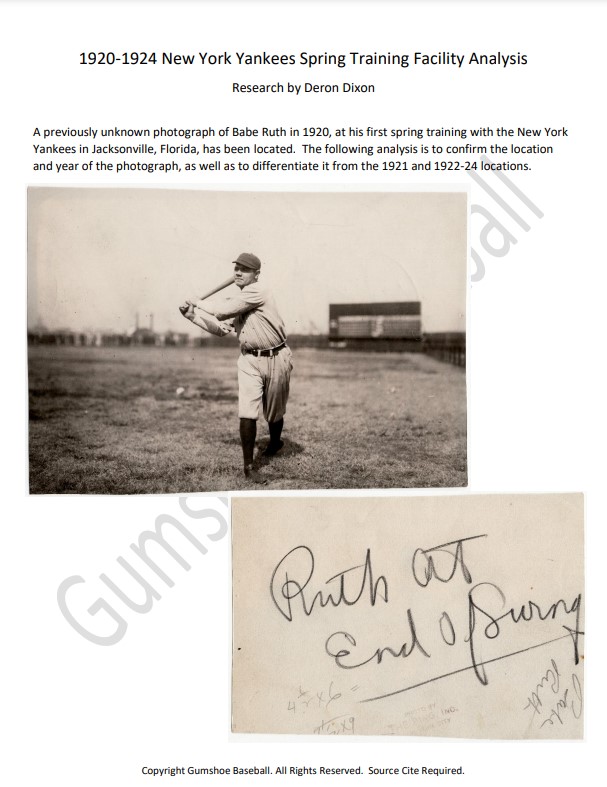
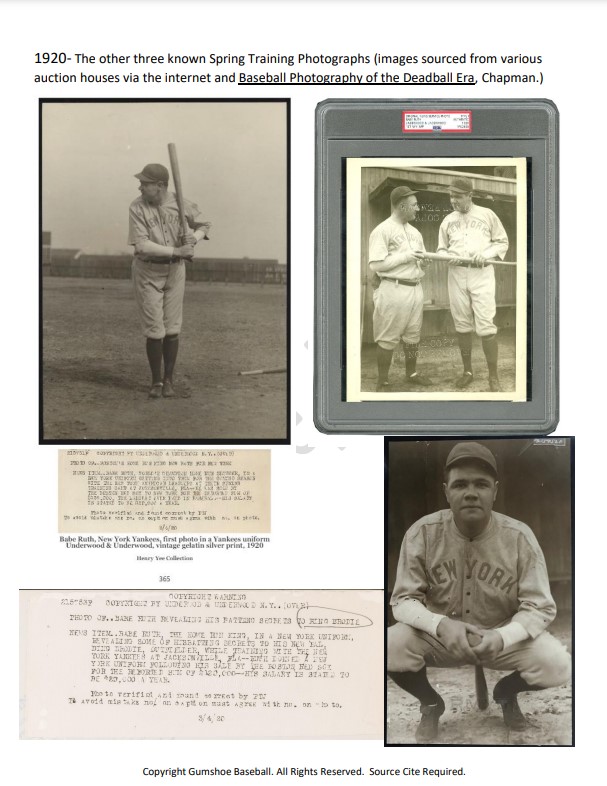
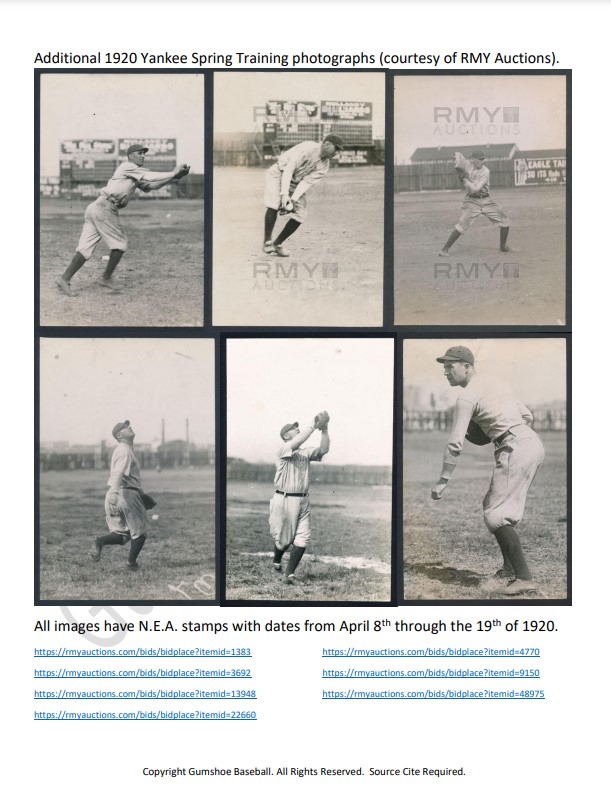
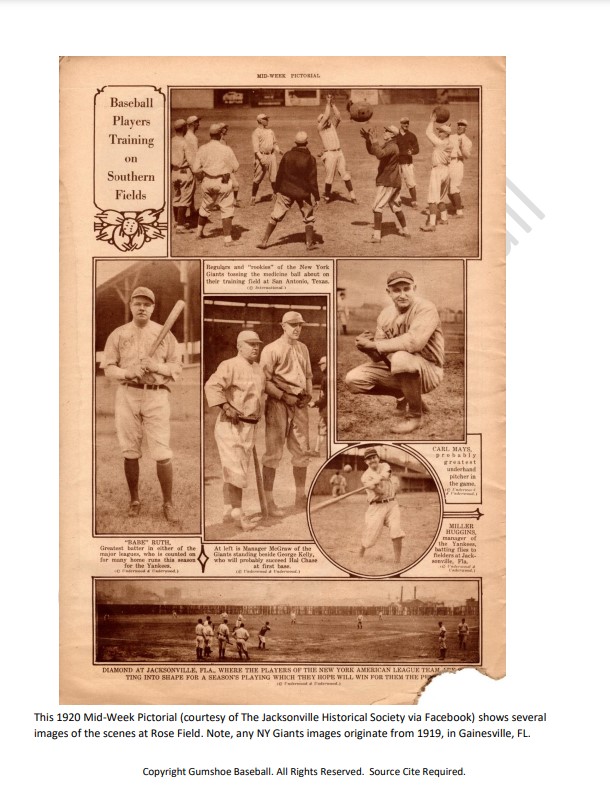
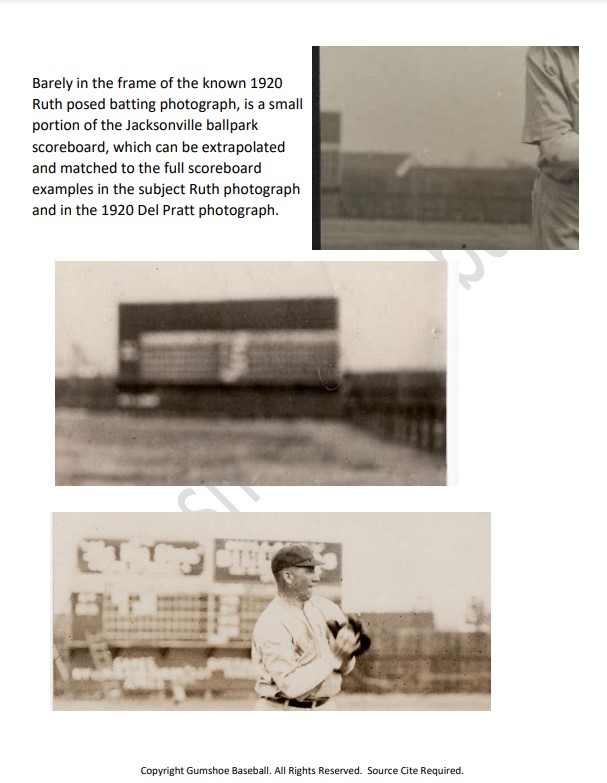
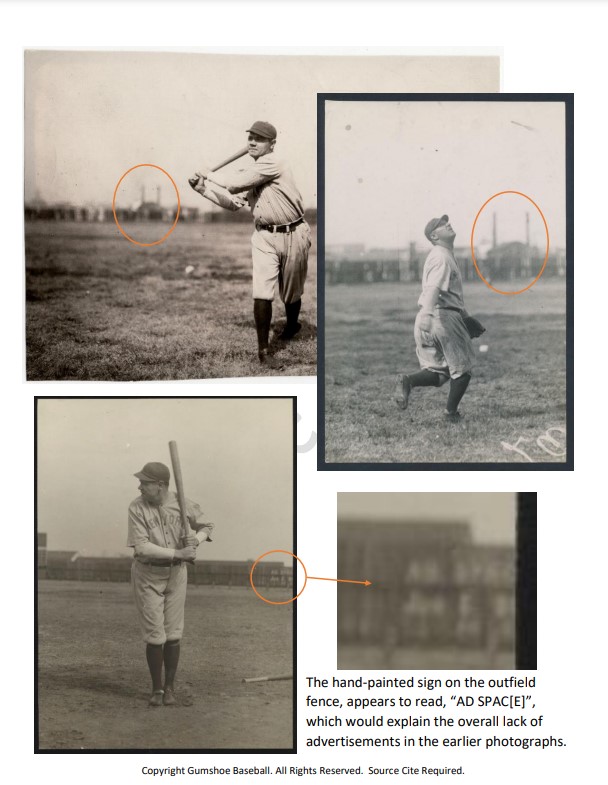
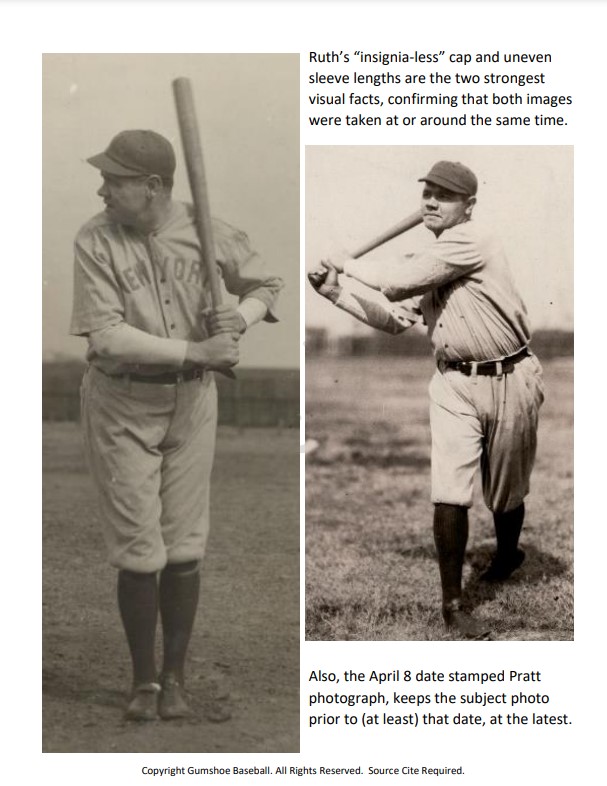
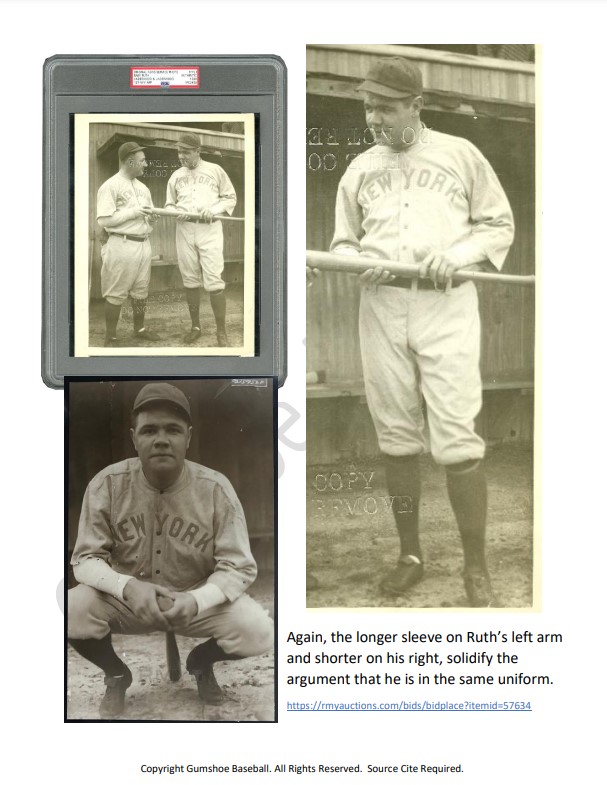
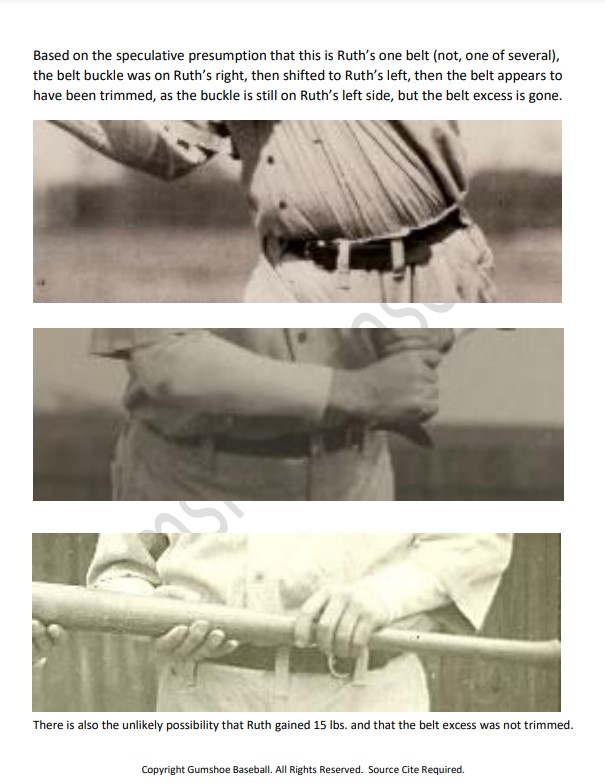
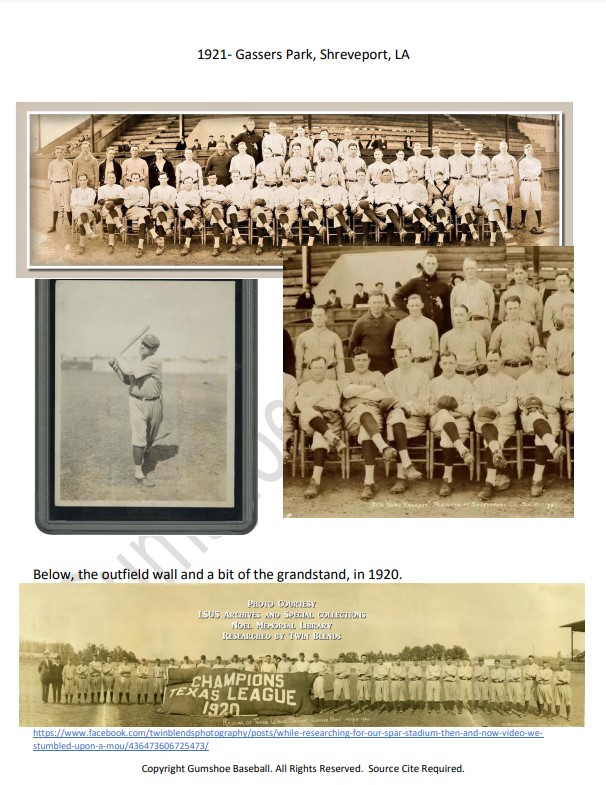
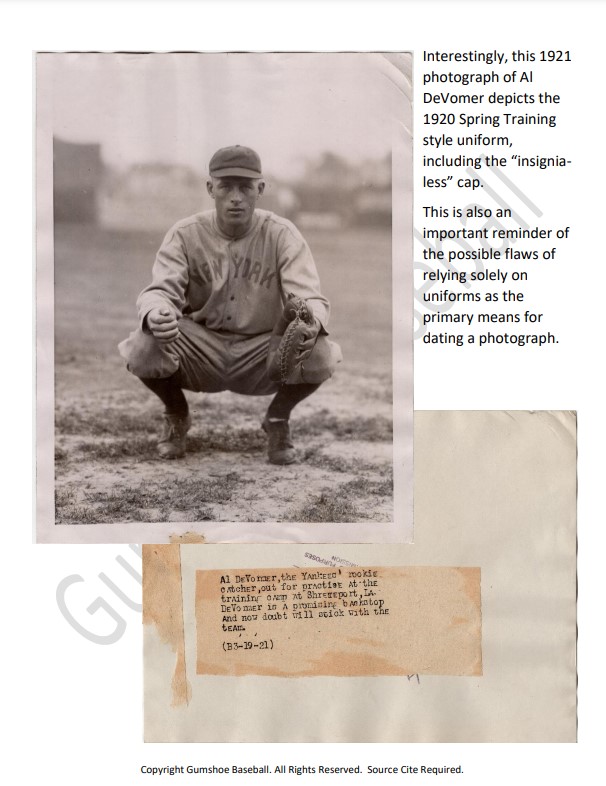
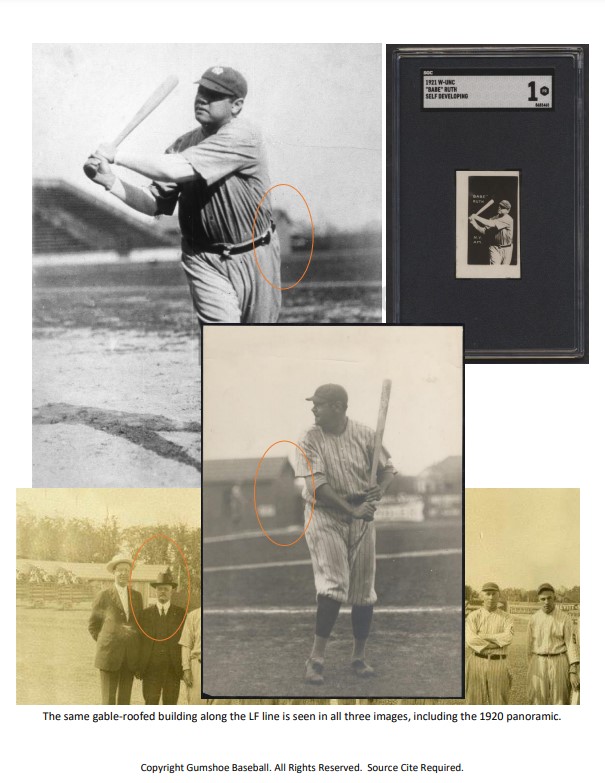
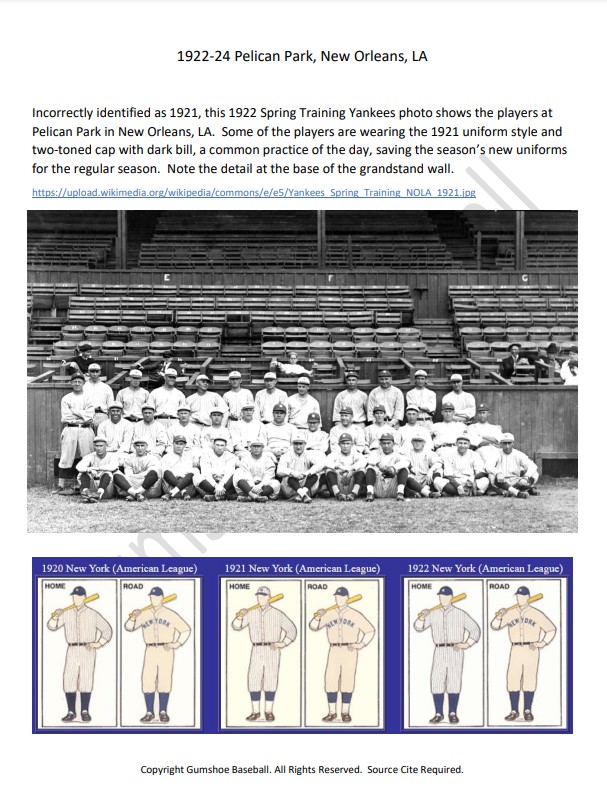
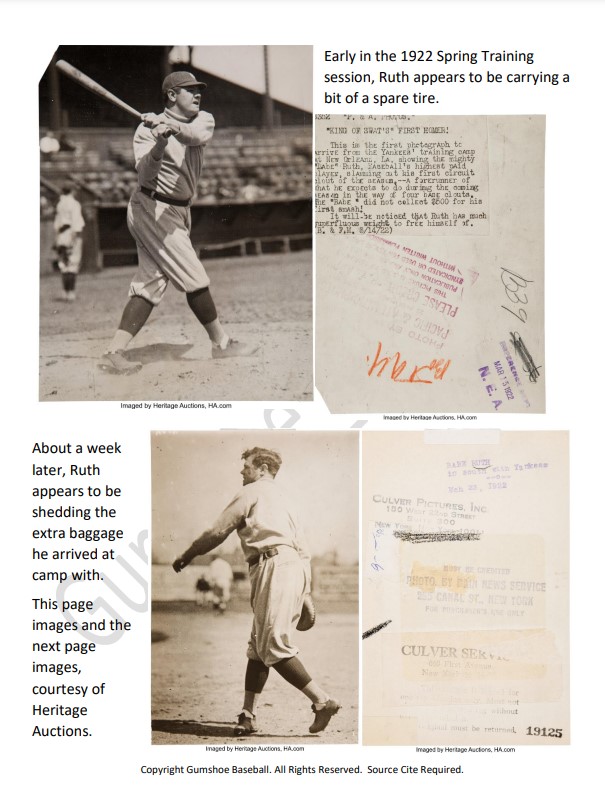
1920 Babe Ruth at Jacksonville, Fl.- Ruth’s 1st Yankee Spring Training
The photograph was found to be a Type 1 photograph by PSA- Developed off of the original 4 1/2″ X 6 1/2″ half-plate glass negative.
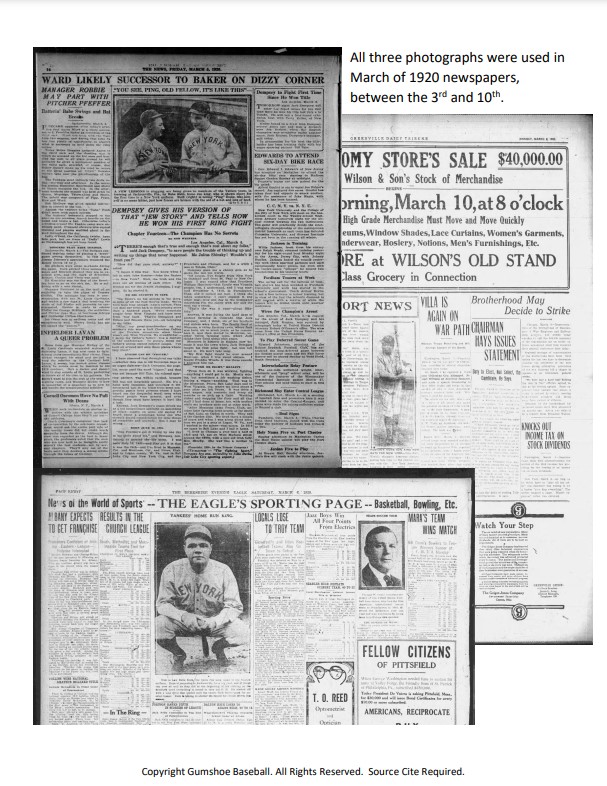
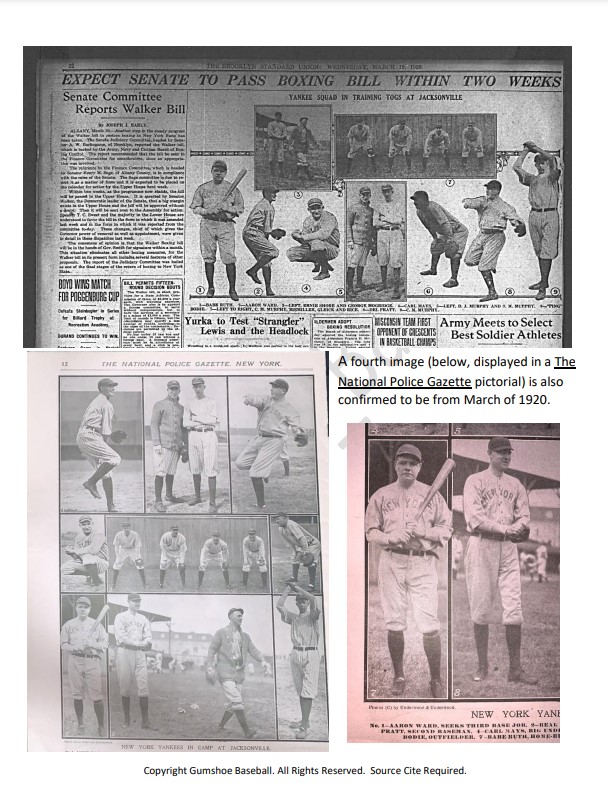
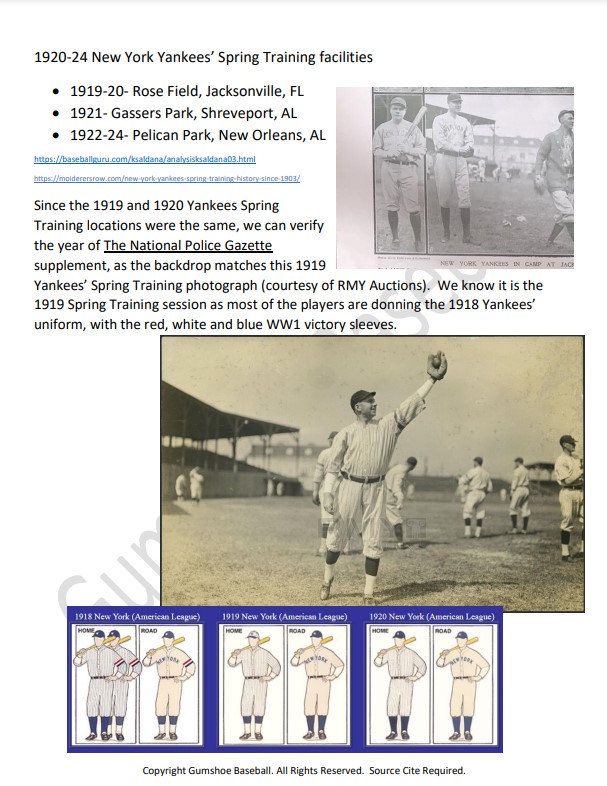
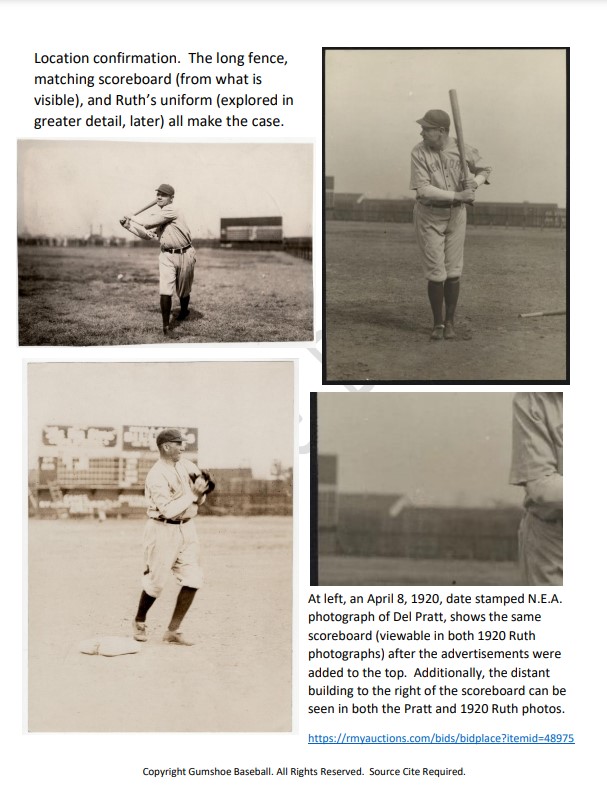
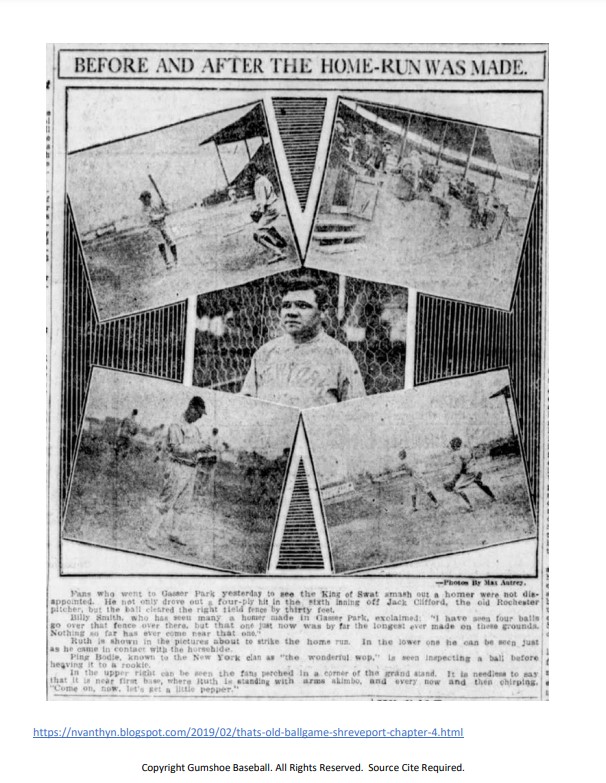
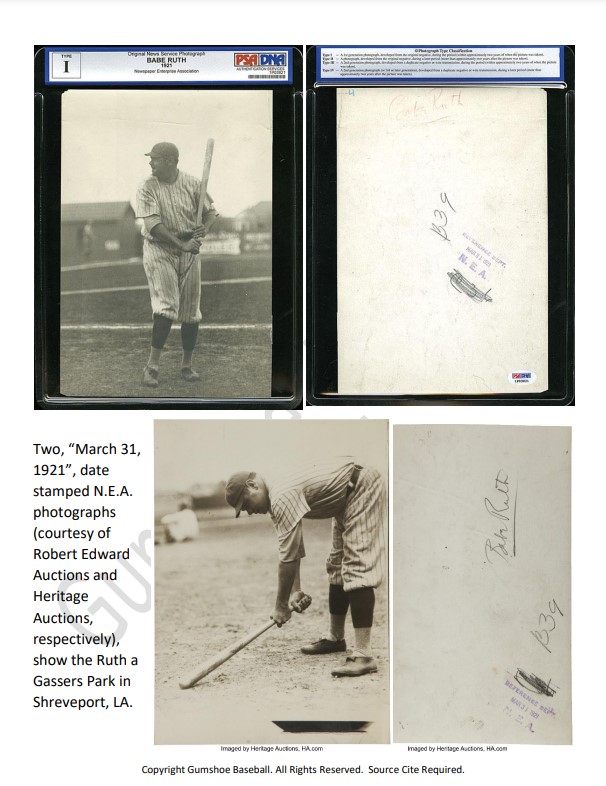
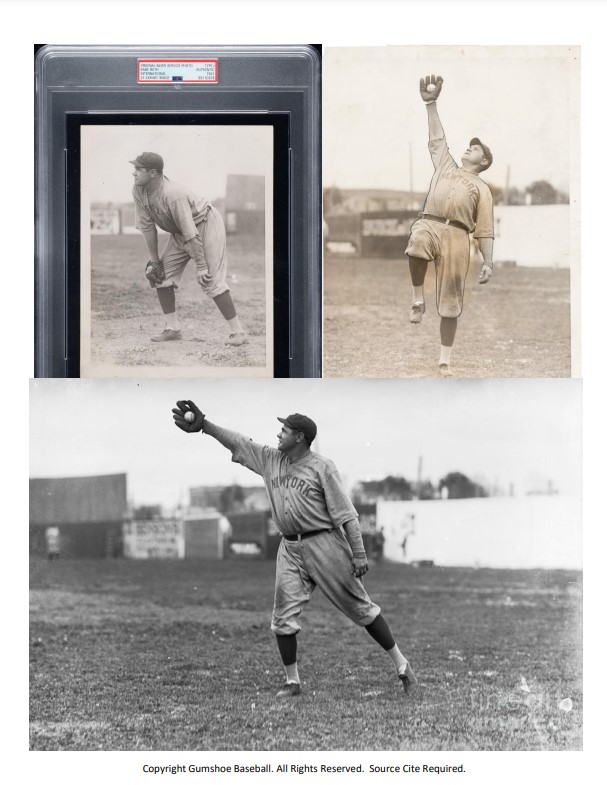
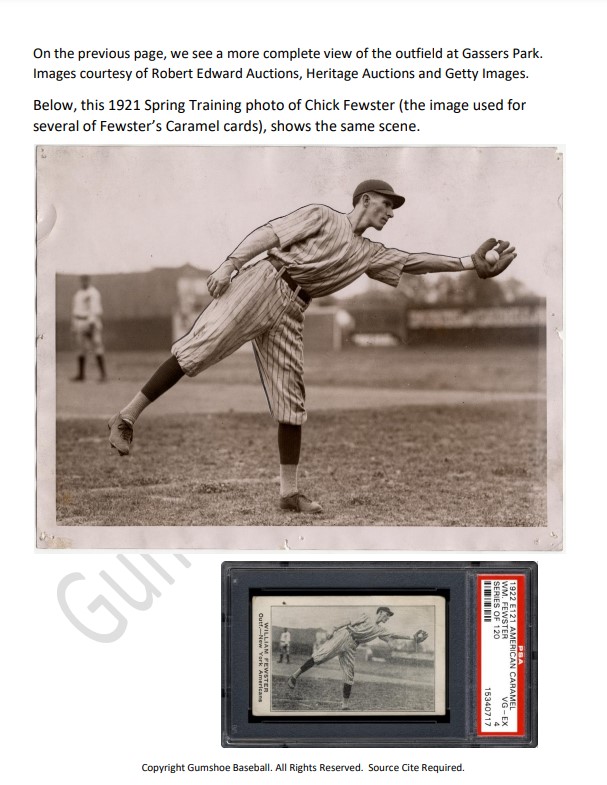
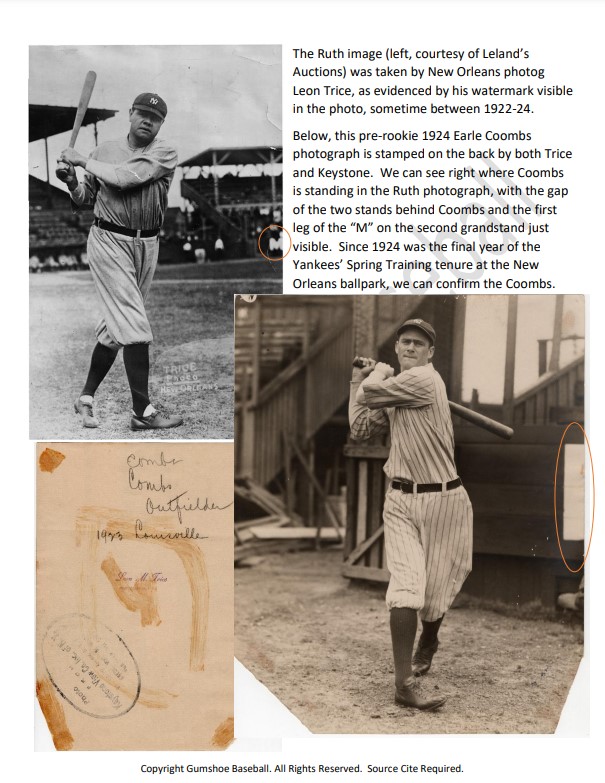
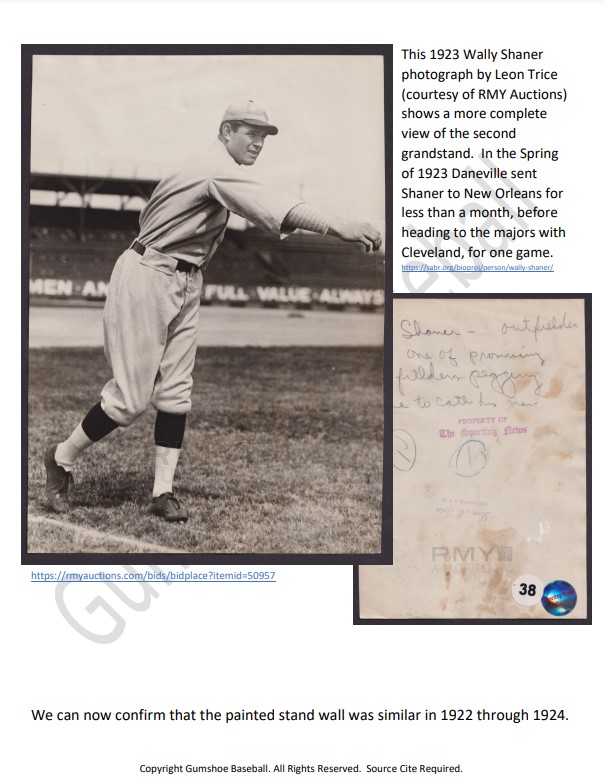
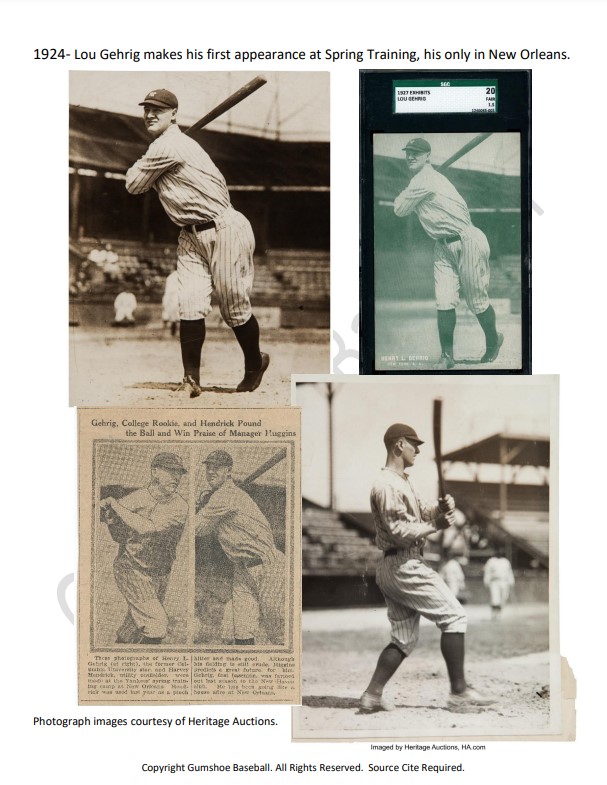
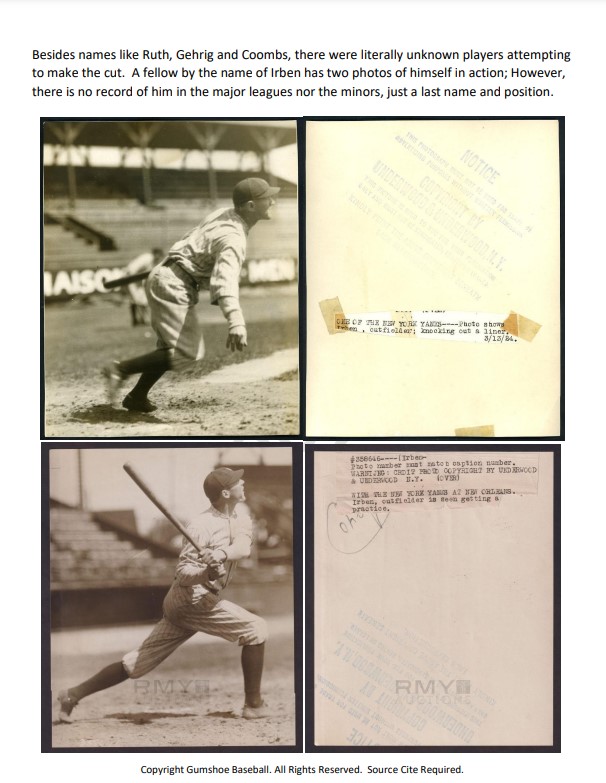
Viewing photographs with a critical eye:
Below, is an excellent example of the proposed/suggested content of a photograph being in err, either maliciously or non-maliciously, and ultimately the culprit does not matter; In the end, it is inaccurate.
A hand-labeled photograph annotating Lou Gehrig completing a double play in a May 28, 1926 game against the Philadelphia Athletics almost passed. The photo stamp (used between 1921-28) is correct, the young slender lefty manning 1st base, the Athletics’ uniforms seem correct; There are just enough details to “make it possible”, however there are several red flags.
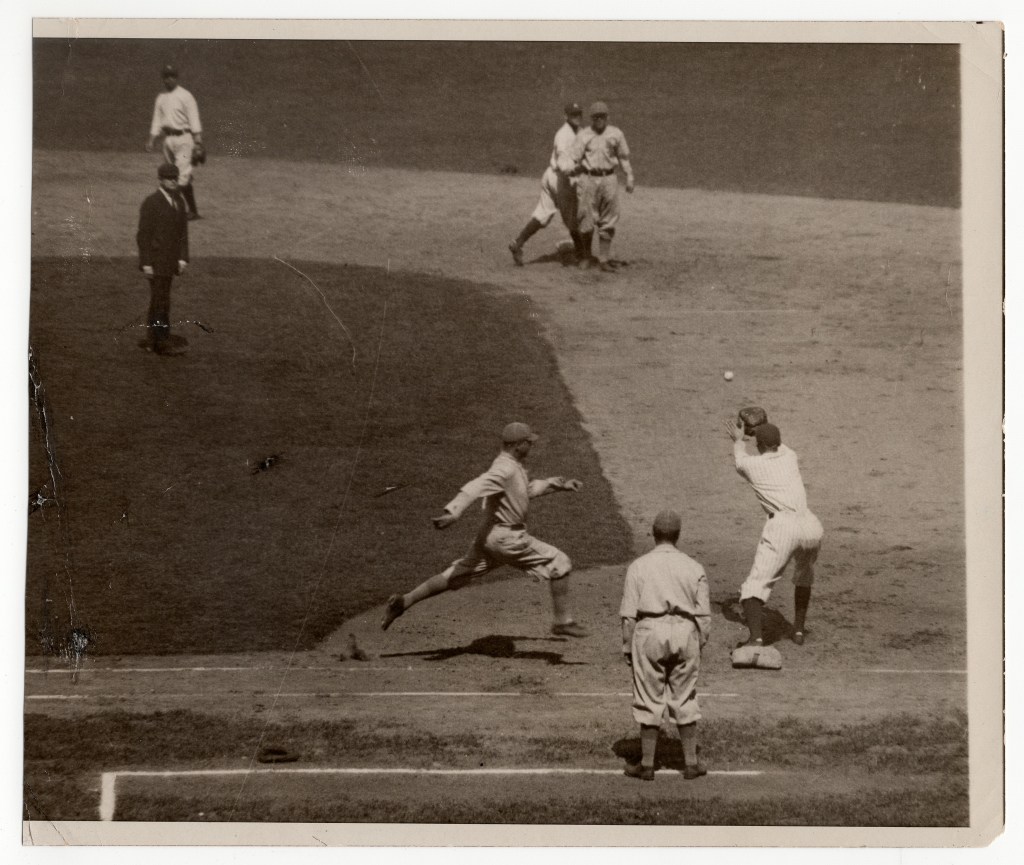
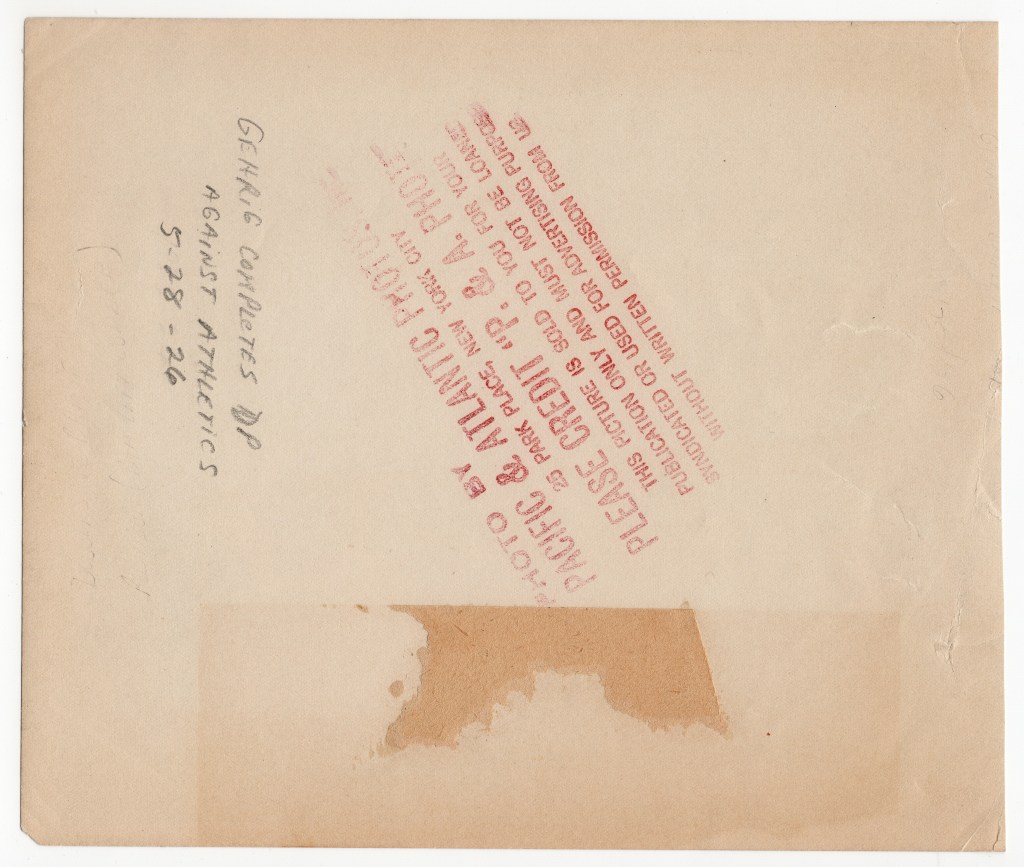
First, the hand-labeled annotation. Most often they are accurate, but we are all human, and the duration of a photograph’s long life, with many hands making edits and even suppositions as to a photographs content, are likely, especially when the content is not exactly clear. In this case, it may have been a non-malicious occurrence, as a photograph of a game from May 28, 1926 was needed, but was not on hand. Second, the missing paper caption (remnants remain). At times, some photo flippers will remove this info as it can date the photograph and (potentially) de-value the photo, by knocking it down from a Type 1 to a Type 2, due to the generally accepted (and rather tight) 2 year window. Again, not all cases, but definitely something to be aware of.
The key to cracking this photographic inaccuracy lies in the Athletics’ uniforms, by finding other examples of 1920-29 Athletics’ uniforms (using the Baseball Hall of Fame’s Uniform Database) and RMY Auctions‘ abundant auction records, the uniforms match those of known 1921-1923 Athletics’ uniforms, not the proposed 1926 uniforms. This confirms the suspicions and other details can now be analyzed. The 1st baseman is rather slender, almost too slender for a young Lou Gehrig. Although, we cannot see the subjects face, we can compare him to other photographic subjects to find similarities or differences.
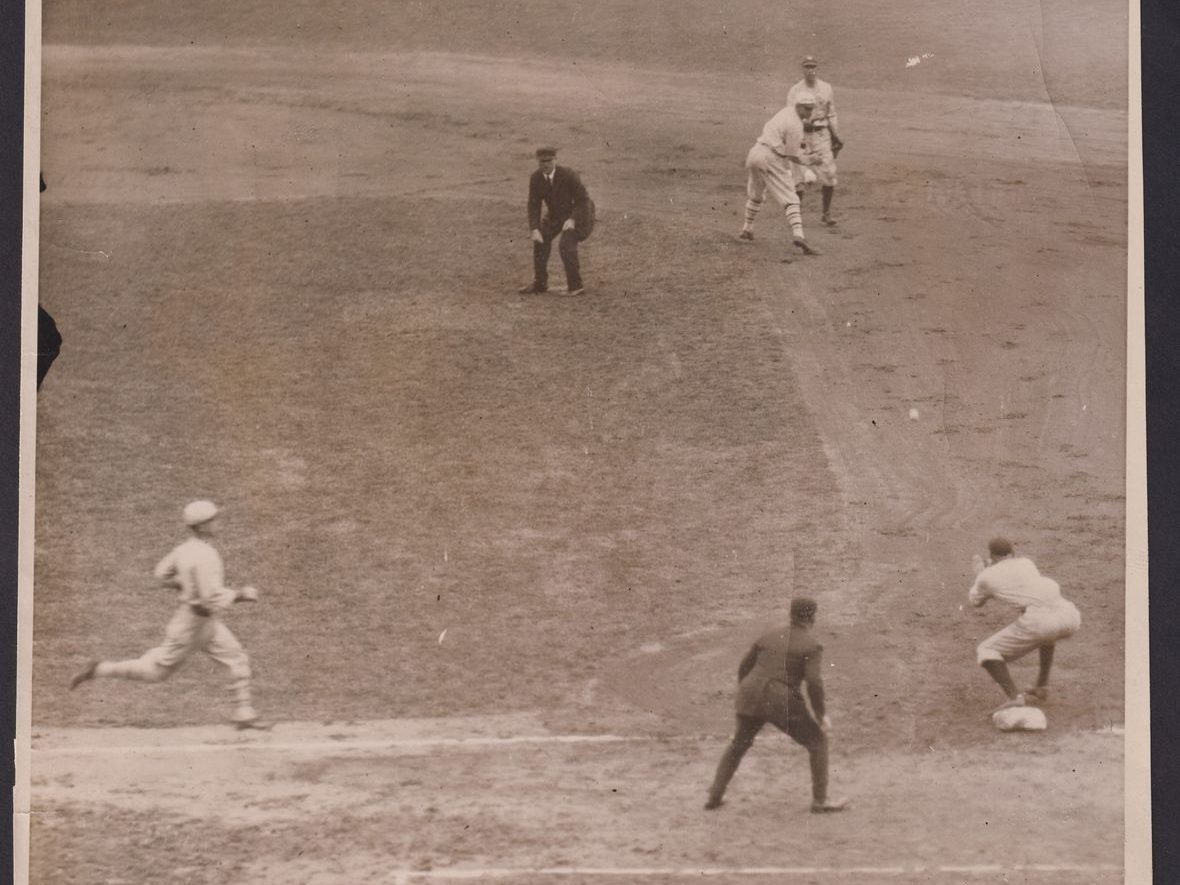
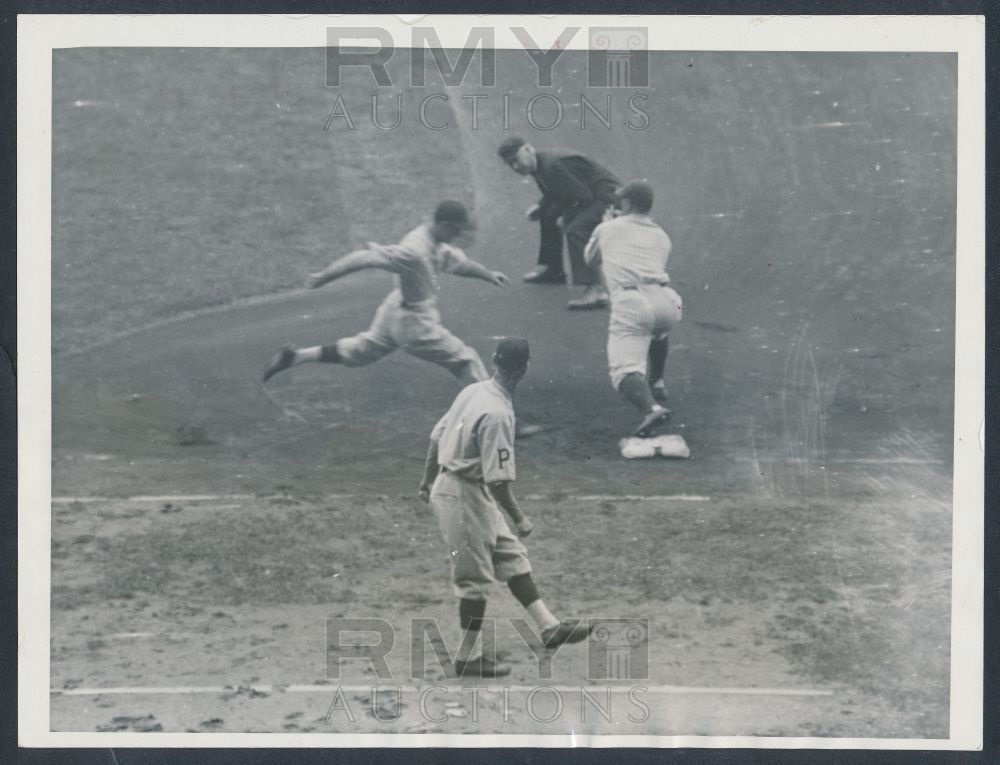
Above, it is rather clear that the 1st baseman in the subject photograph (center) is a better physical match to the example photograph on the left (courtesy of RMY Auctions) of Wally Pipp. The photograph on the right (again, courtesy of RMY Auctions) depicts Lou Gehrig just 1 year after the proposed 1926 subject photograph game, in 1927. Also, by looking at box scores for Yankees’ games in 1923 and 1924 (based on the Athletics’ uniform window), in which Lou Gehrig played, Gehrig only played the Athletics’ in 1924, in one game, a game in which he played right field, replacing Babe Ruth, further debunking the early Gehrig photograph.
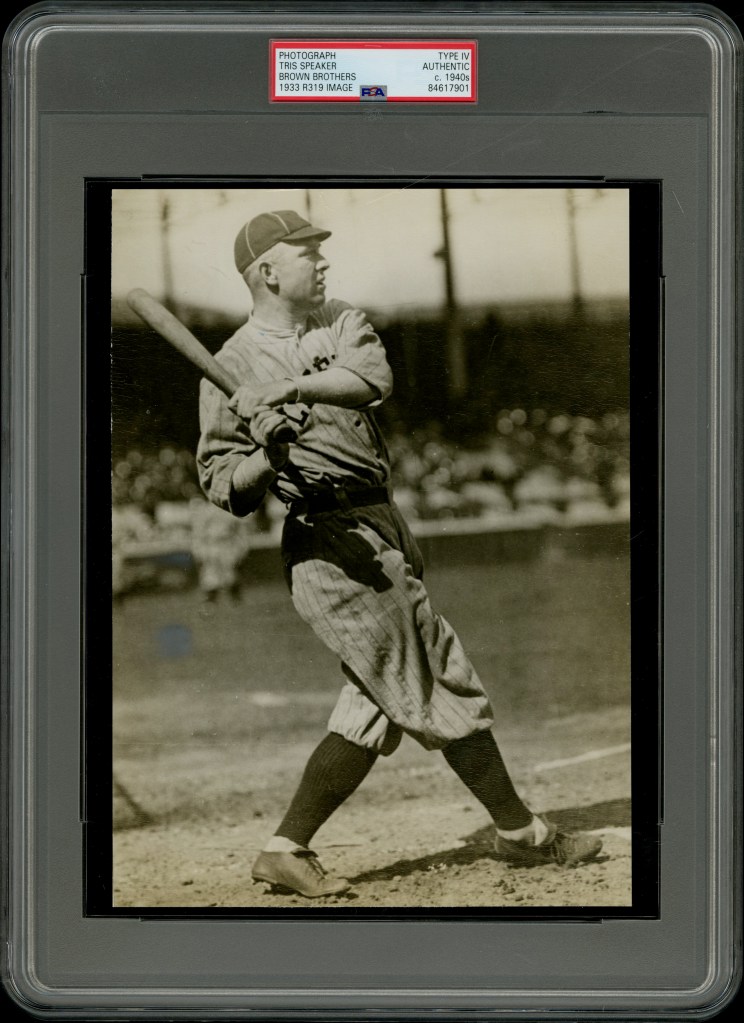
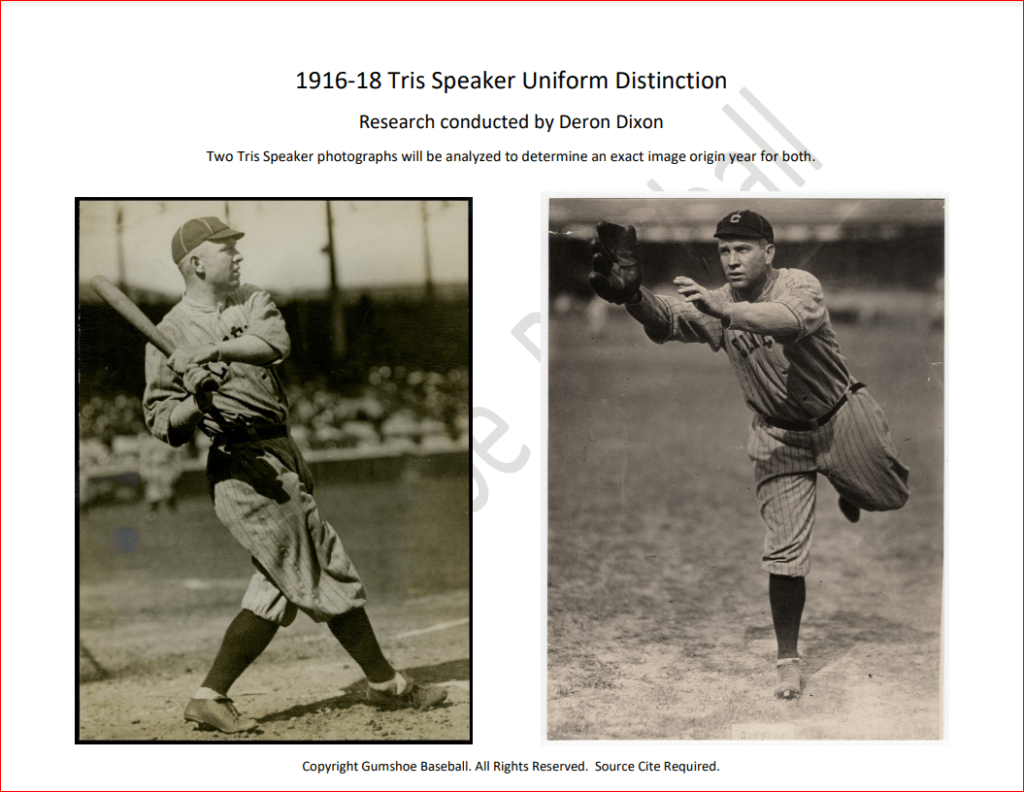
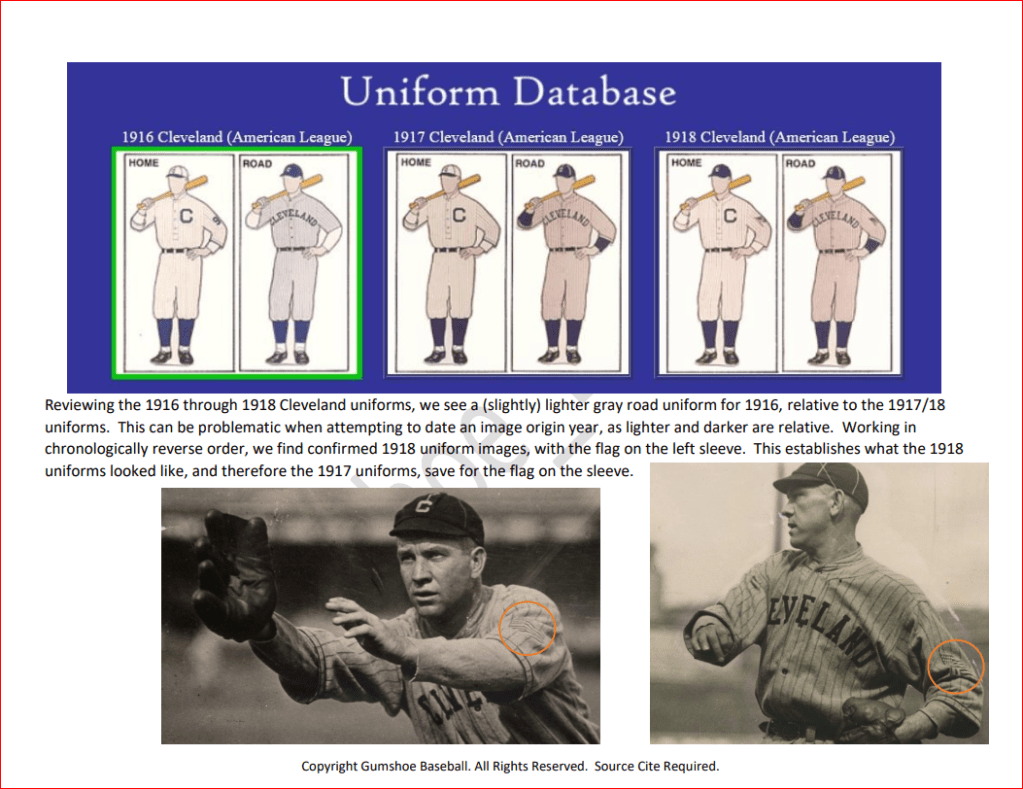
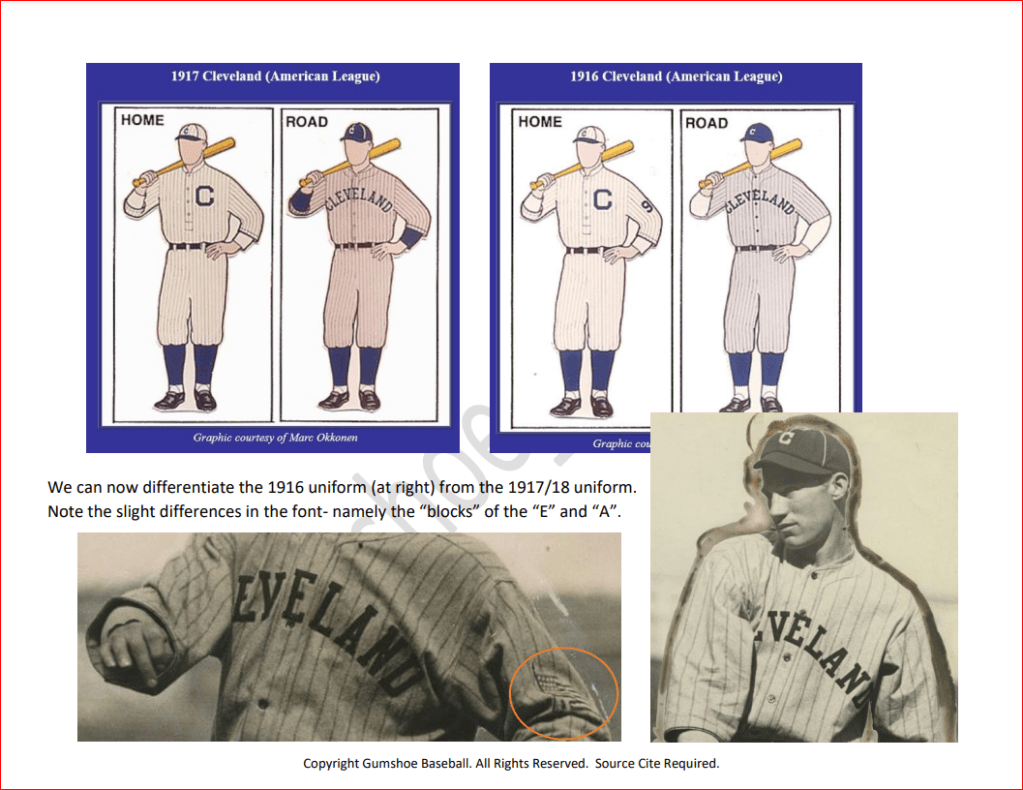
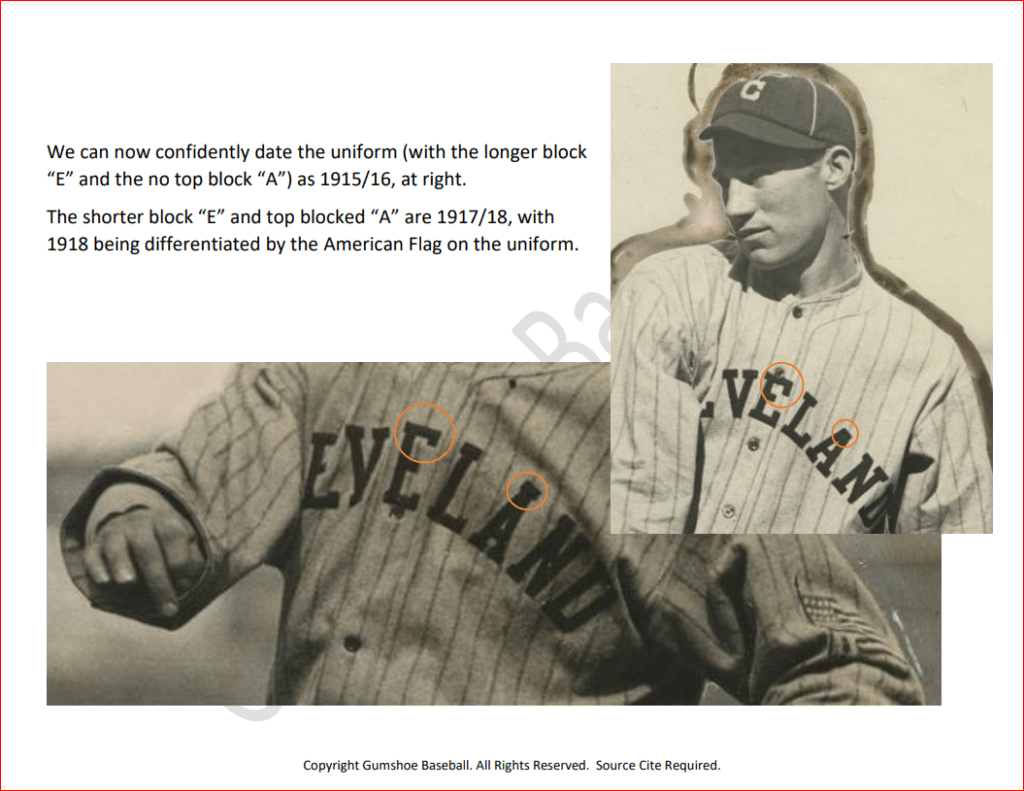
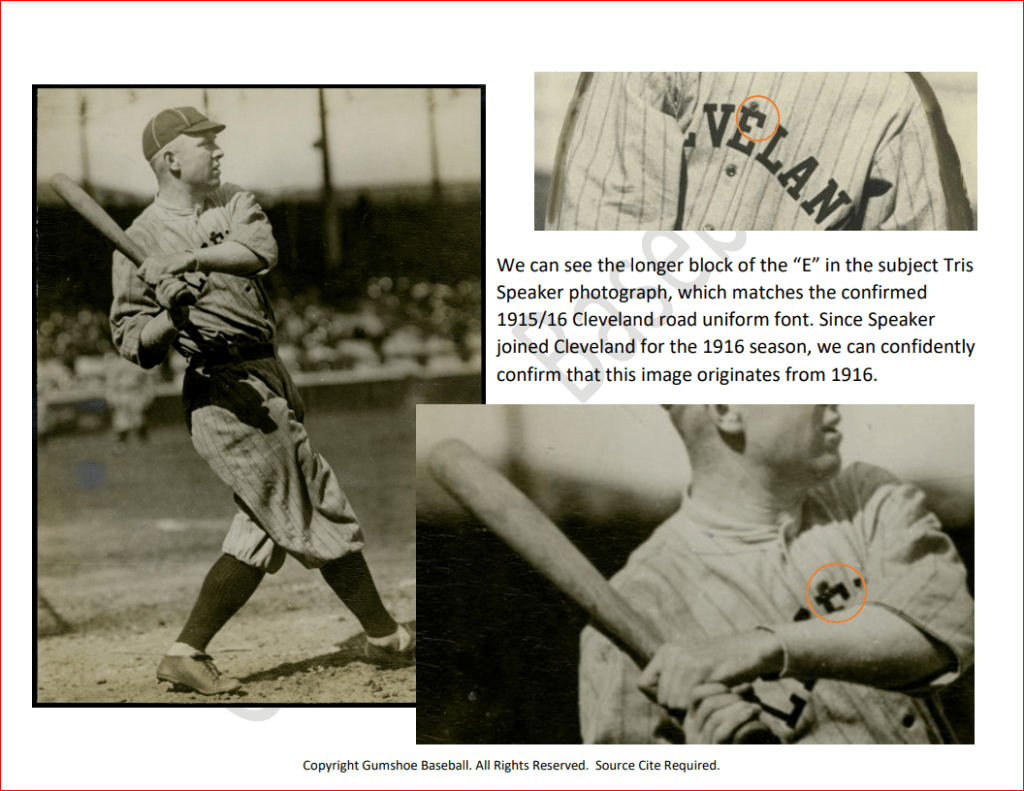
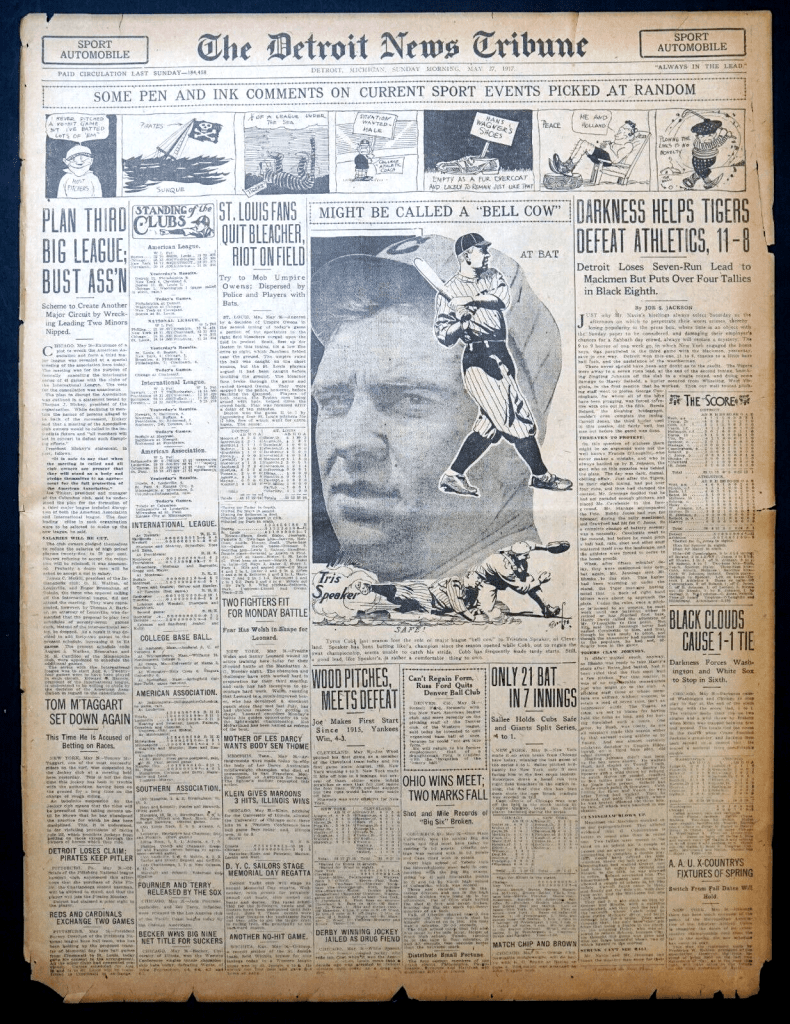
1916-18 Cleveland uniform font differences
1914 Harry Heilmann Photograph-
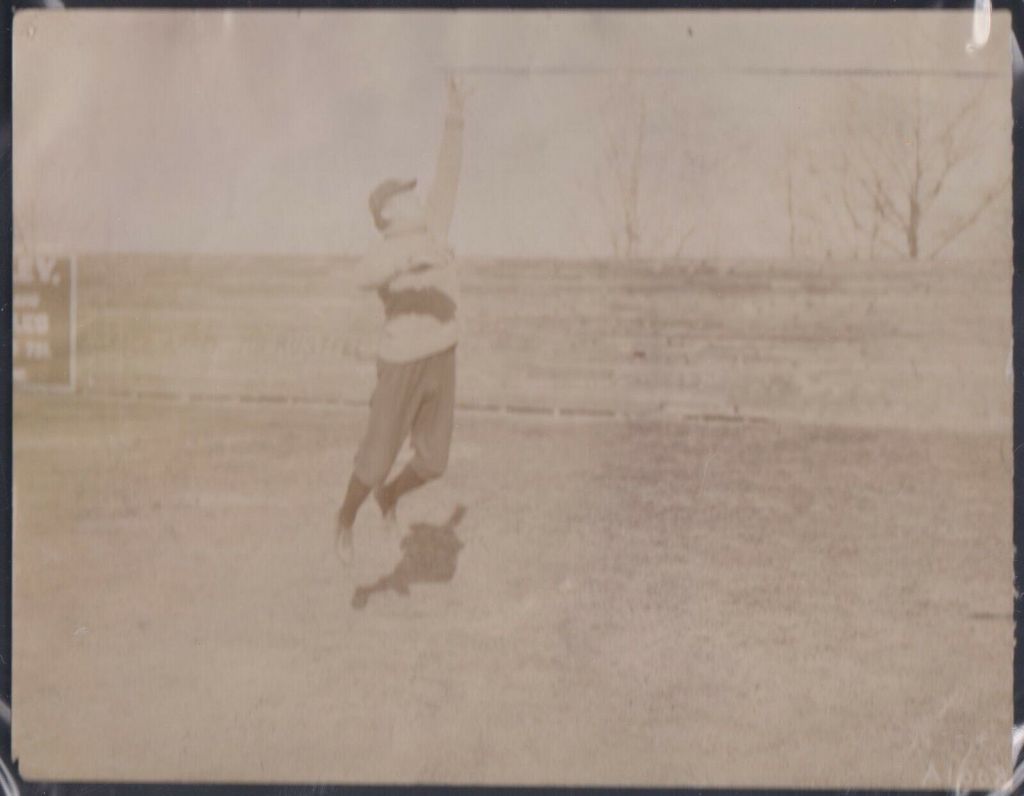
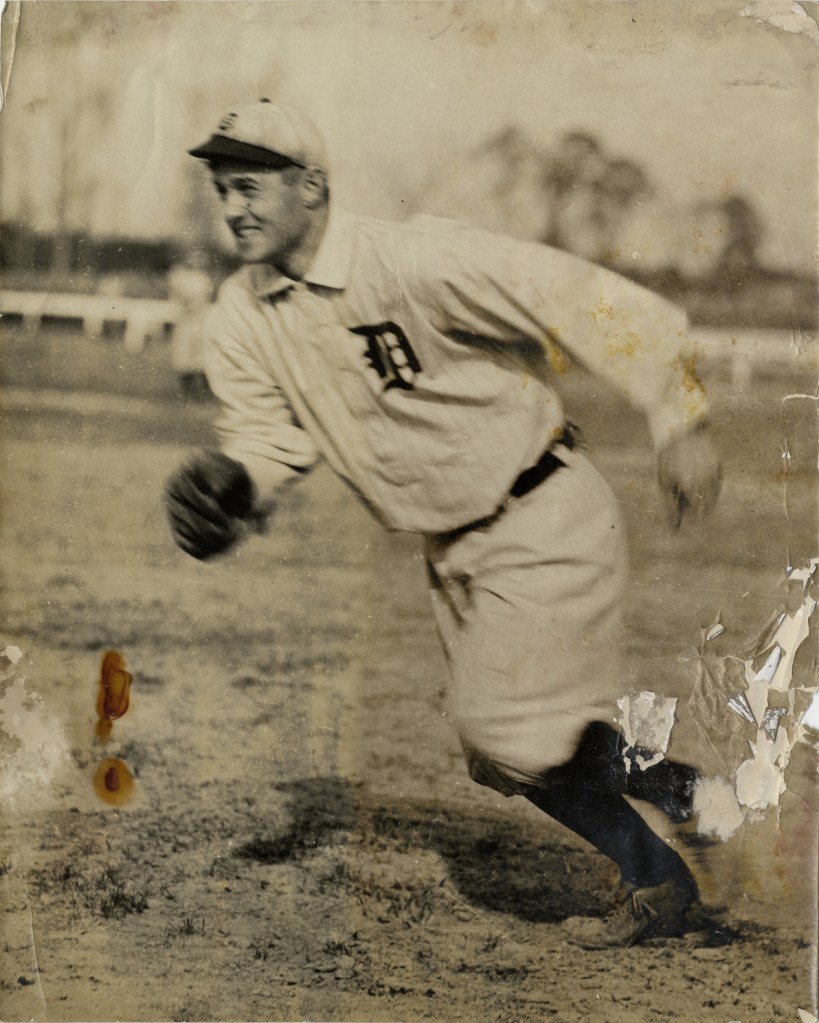
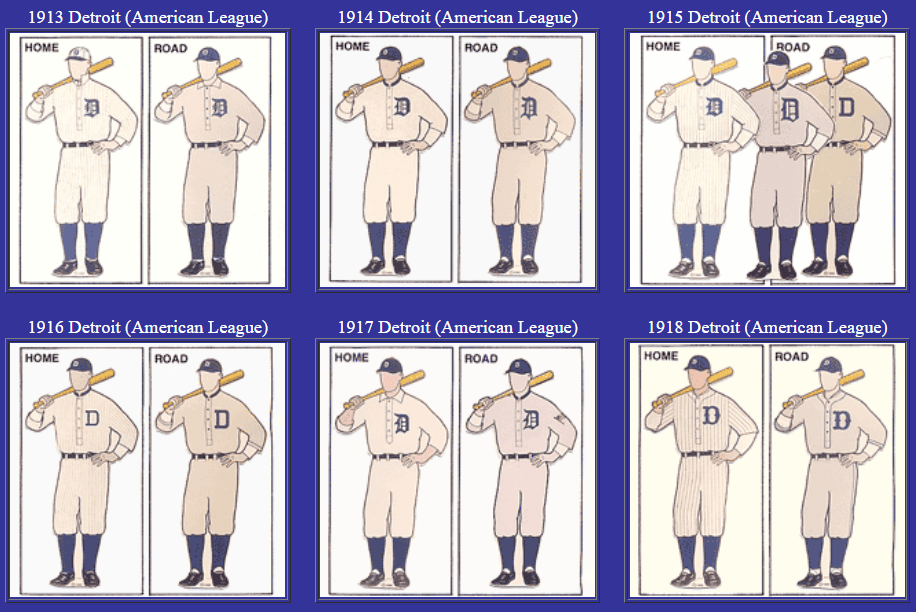
This rather famous photograph of a young Harry Heilmann, previously thought to originate from 1917, was able to be rolled back to Heilmann’s rookie season of 1914, as he is actually wearing the 1913 Detroit uniform (with a dark road cap), chasing down a fly ball during practice at Navin Field (Detroit, 1912-37), as the scoreboard (including the ladder to its side) can be seen in the background. The 1913 Navin Field photograph is courtesy of The Chapman Deadball Collection. The key to unlocking this finding is the barely visible pinstripes, which was then confirmed by the subtle script “D” font change, which Detroit was notorious for.

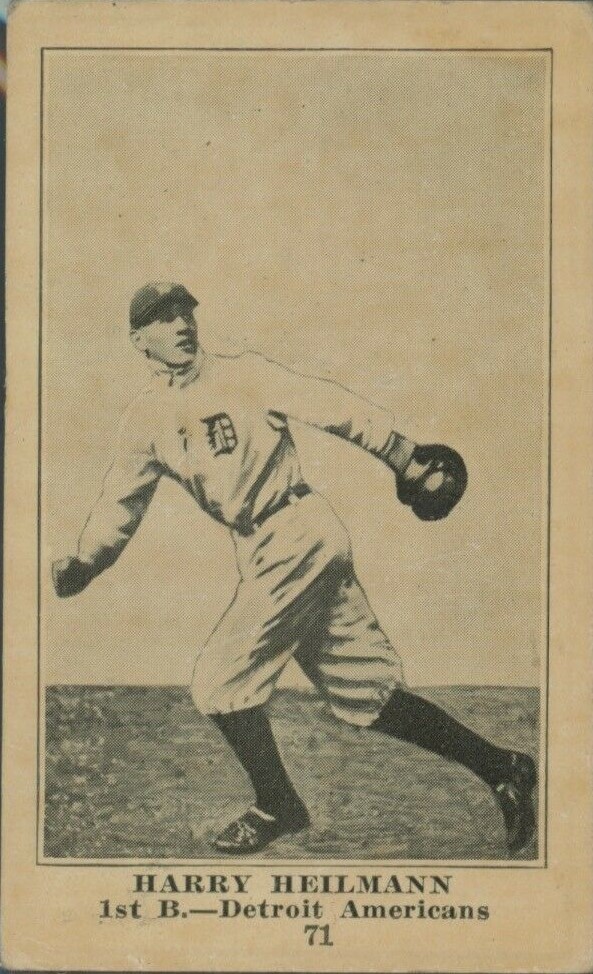
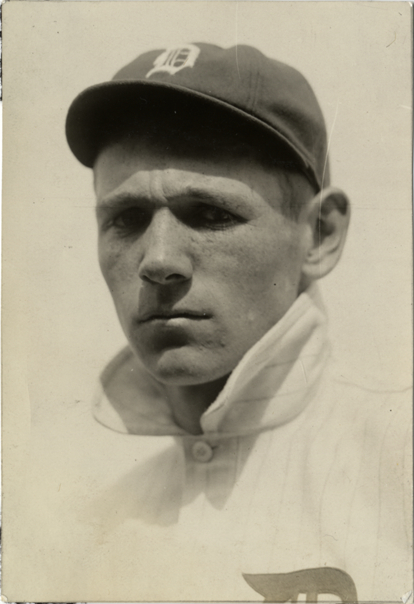
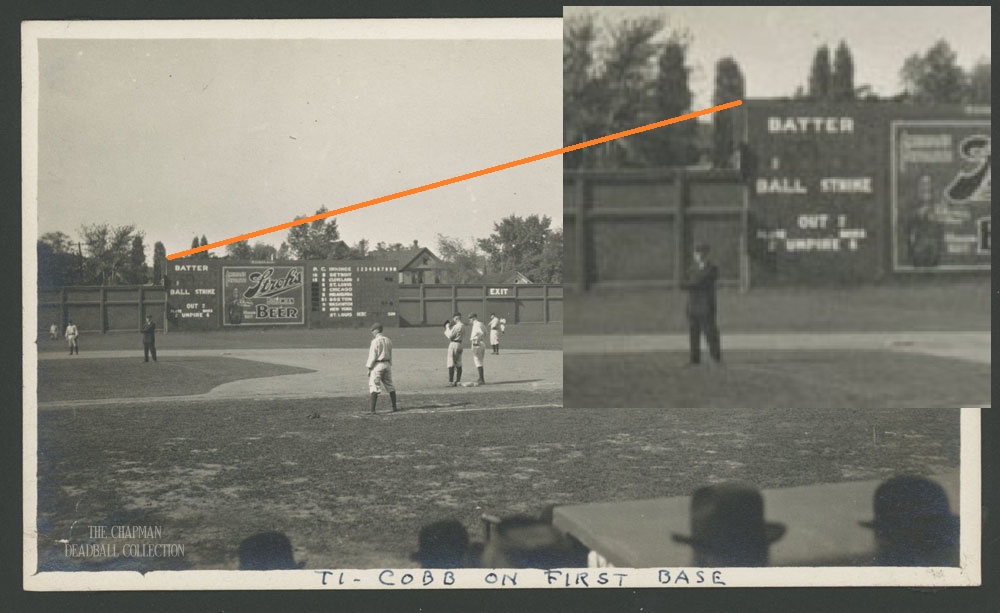
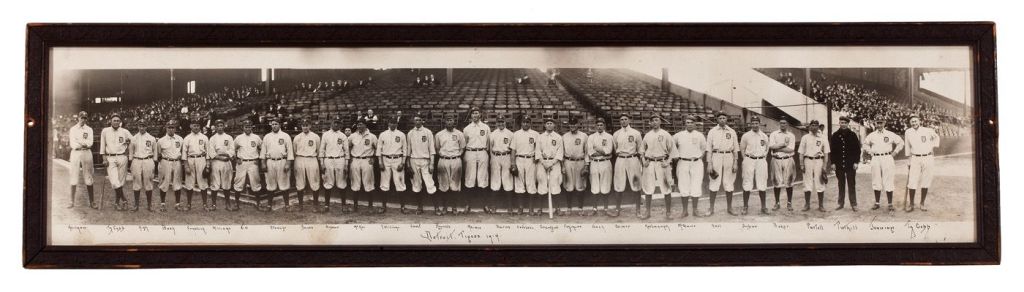
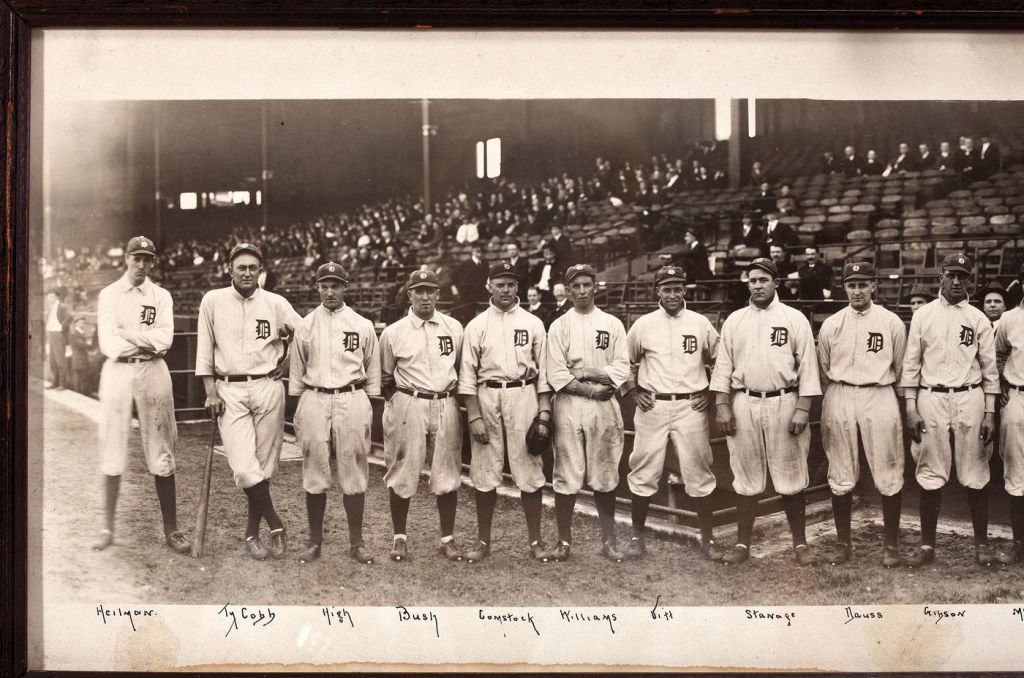
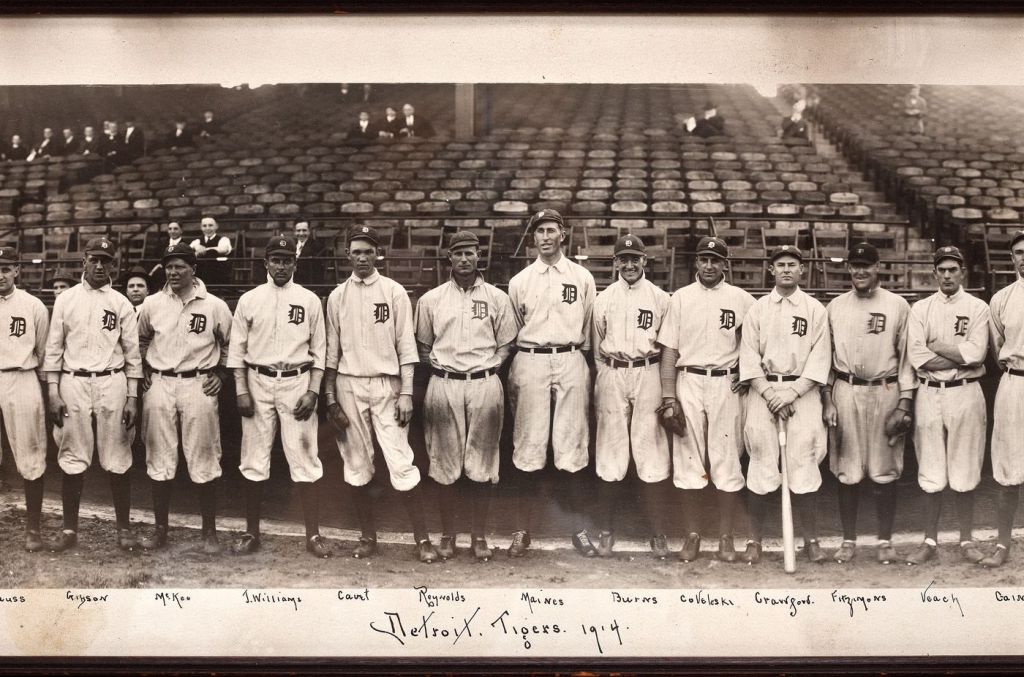
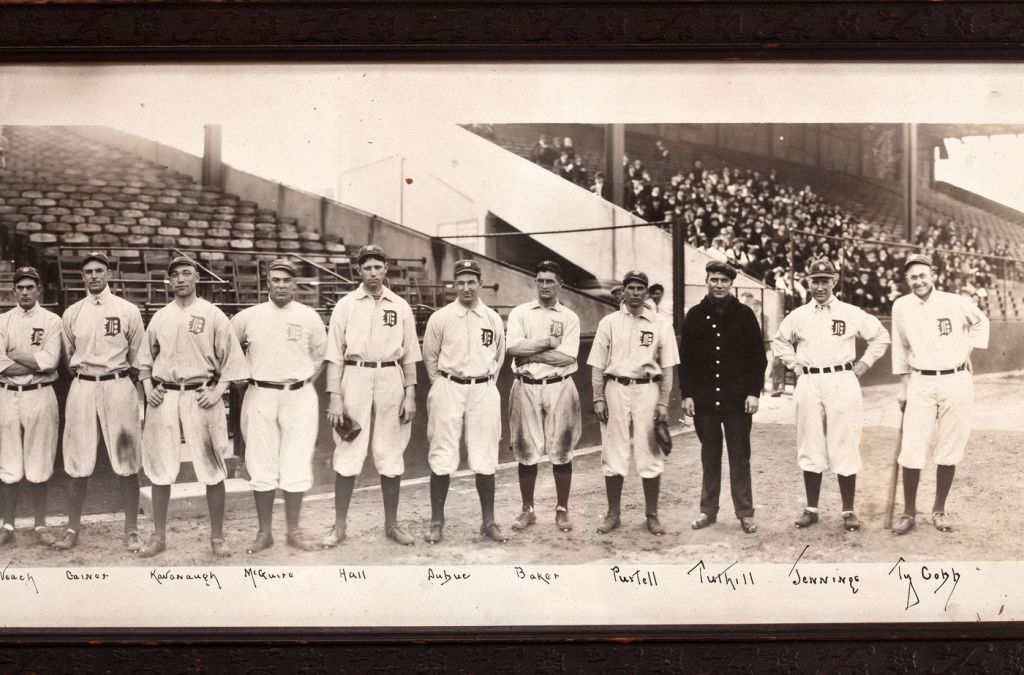
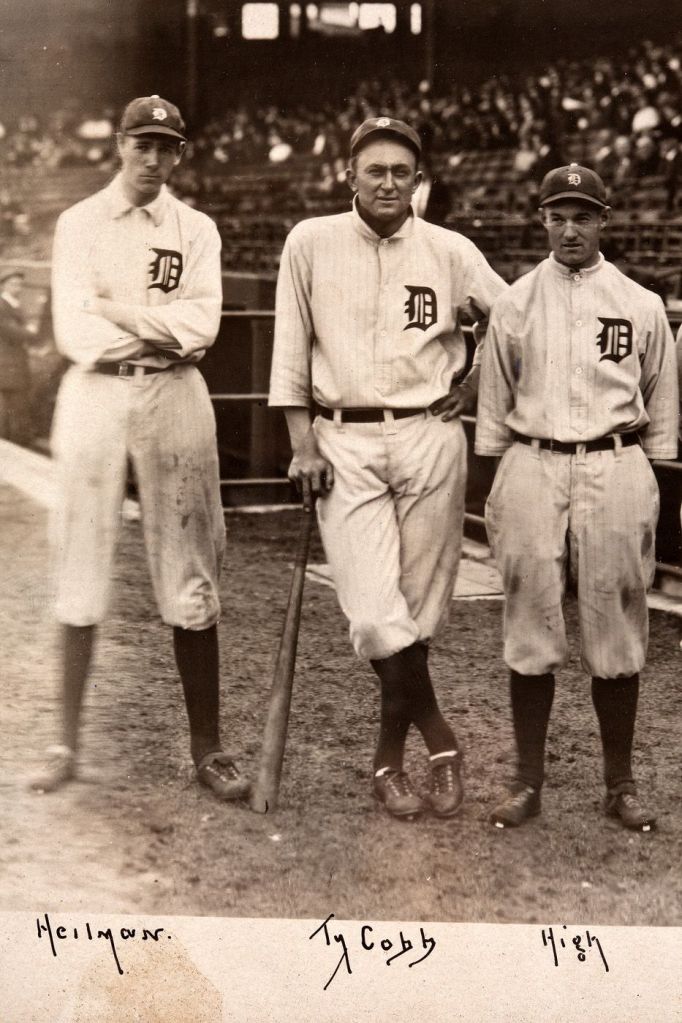
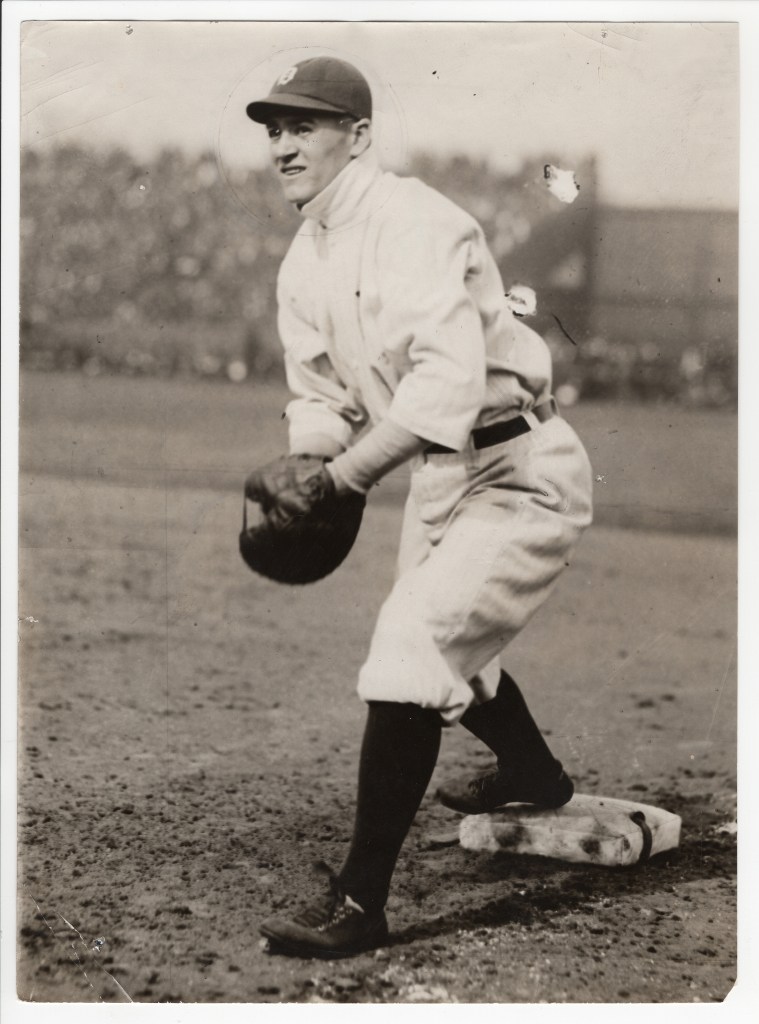
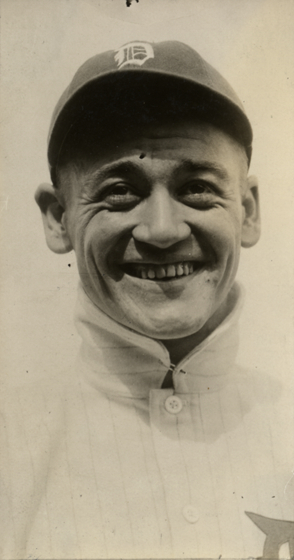
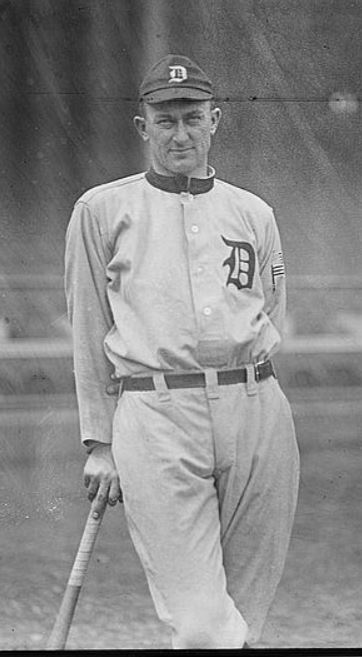
Below are several other 1914 images and uniform examples. Note the difference between the 1914 and 1917 script “D”.
1907 George Moriarty Photo by Louis Van Oeyen-
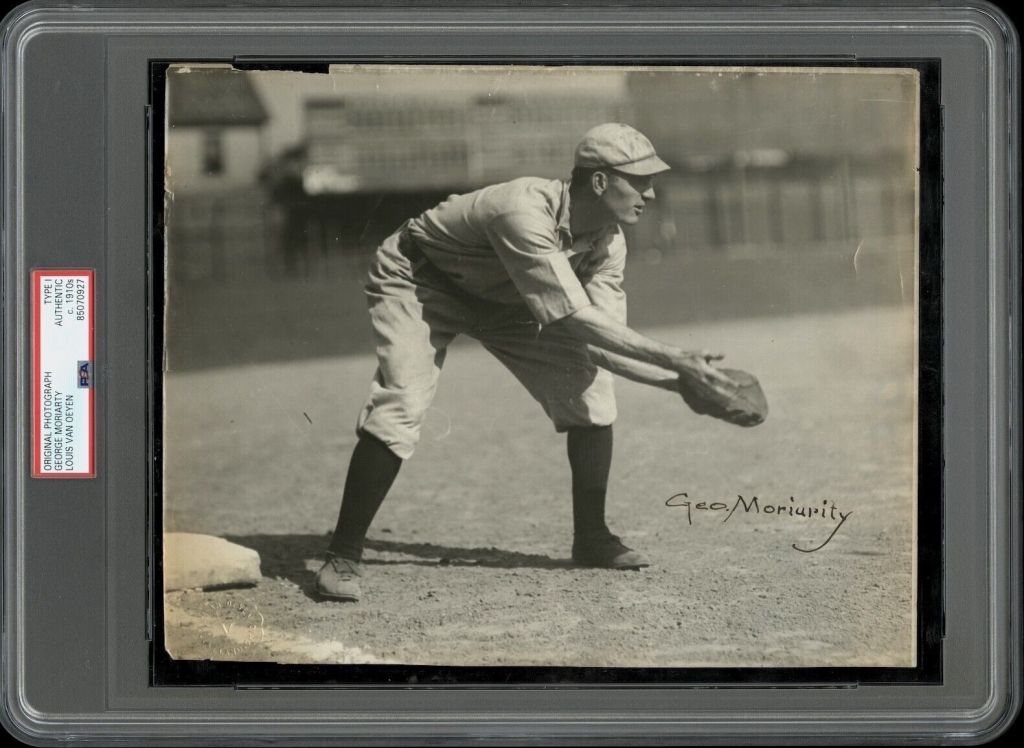
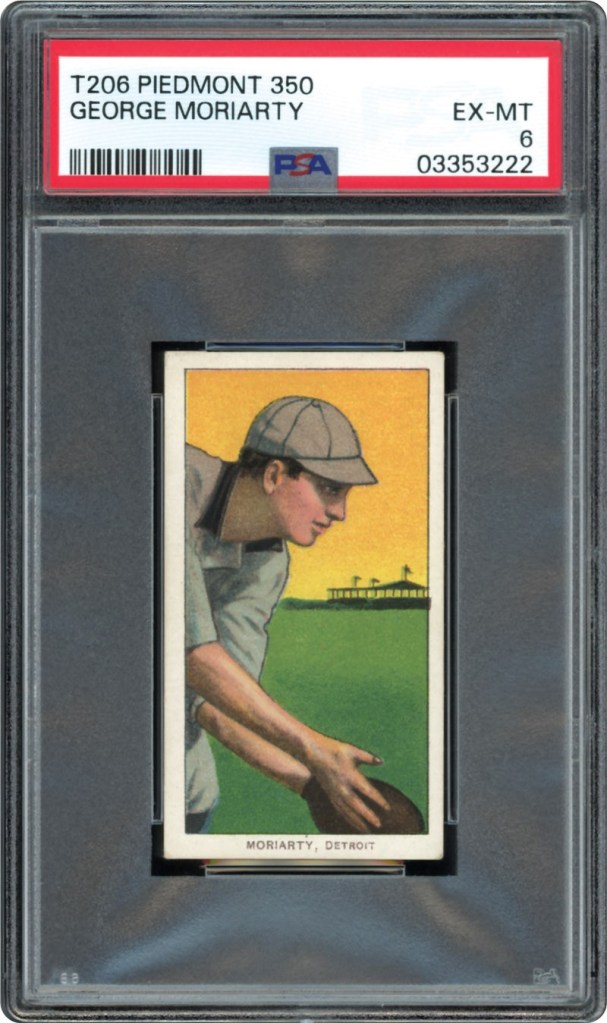
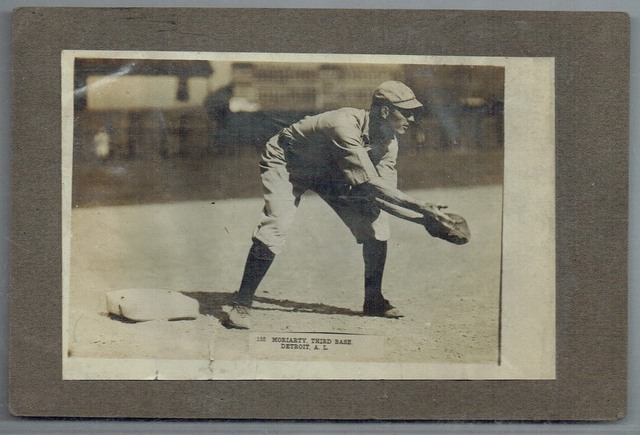
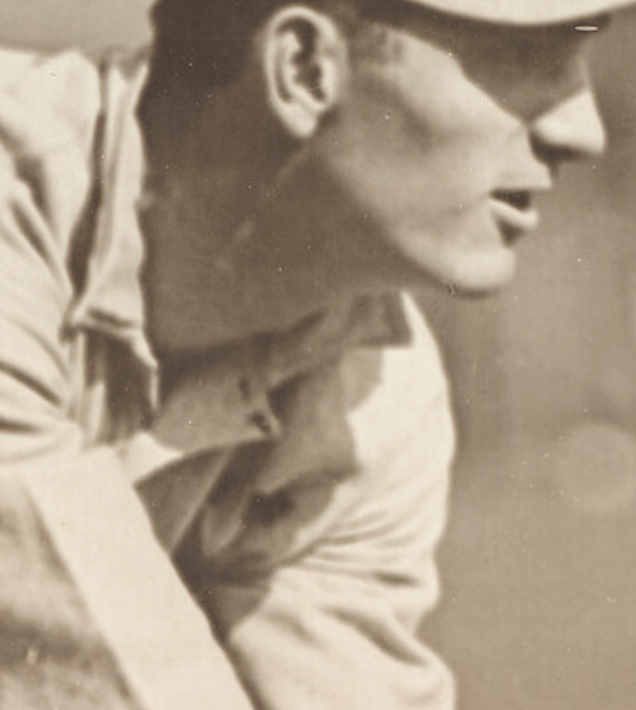
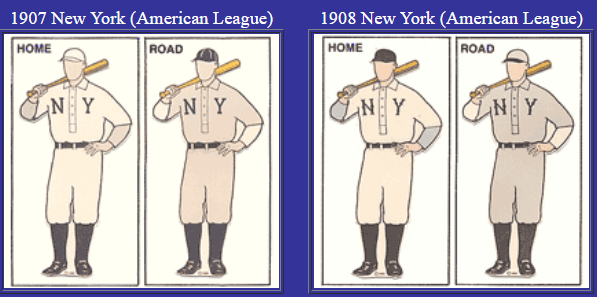
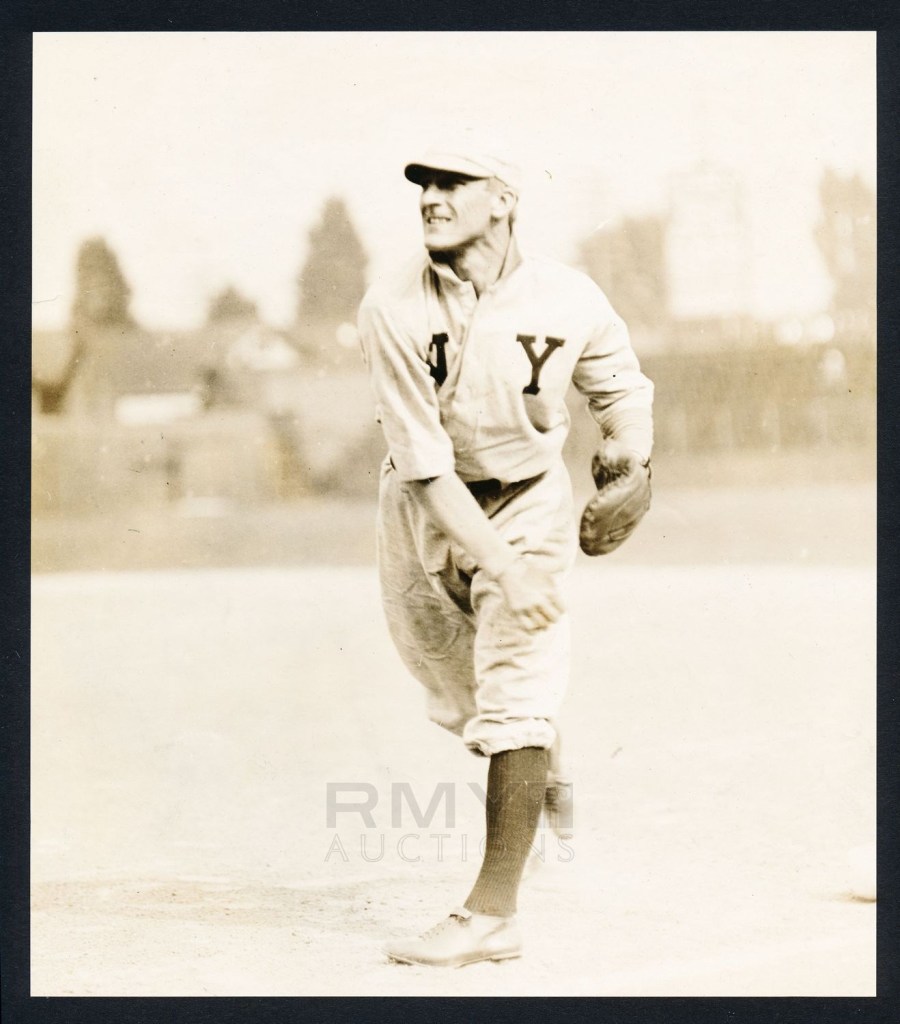
This image of George Moriarty, manning 3rd base, at League Park in Cleveland, OH, was captured by Louis Van Oeyen in 1907, while Moriarty was with the New York Highlanders. Upon close examination, we can just see the top of the “Y” of “NY” across his jersey front, which the font matches that of the 1907 uniform (per the uniform database), but the two-toned (road) cap is a single year combination for 1908, however the 1908 “NY” font is different. It is possible that the image was taken in the pre-season of 1908; However, a 1907 Branch Rickey photograph (courtesy of RMY Auctions) shows the same uniform configuration as depicted in the Moriarty image, confirming the year is 1907, Rickey’s only season with the Highlanders.
The image was used for Moriarty’s T206 card, as well as his 1911 T5 Pinkerton Cabinet.
A note about uniforms-
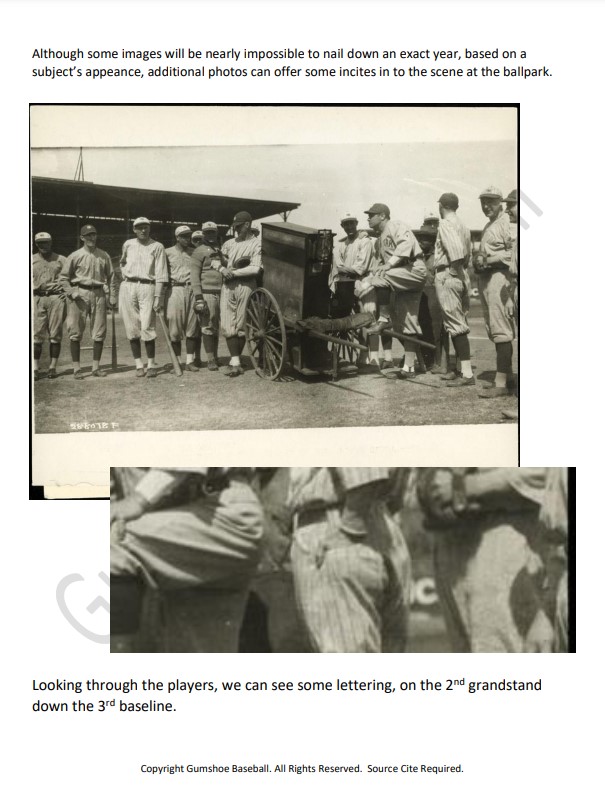
While the common standard in dating a photograph tends to be the player’s uniform, there can quite easily be faults/discrepancies within that form of origin determination. The location details tend to be much more “concrete” (pardon the pun), as in most cases the construction process is of a progressive nature (or forward moving, additional), and “less” tends to be earlier, and “more” tends to be later, relatively speaking.
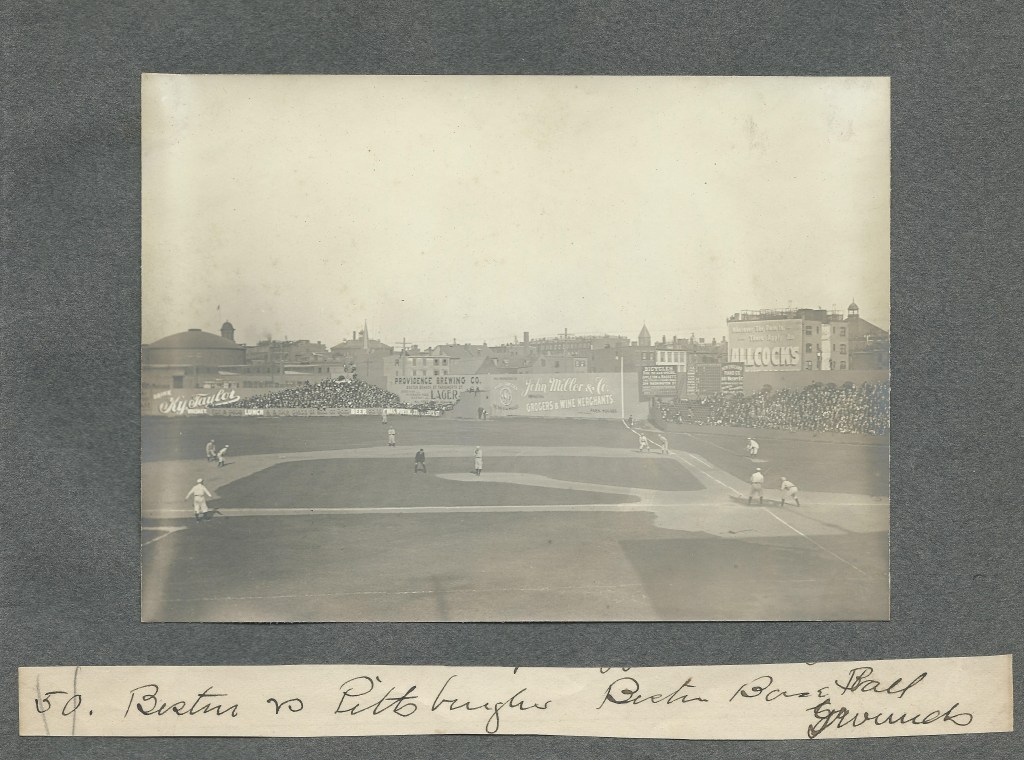
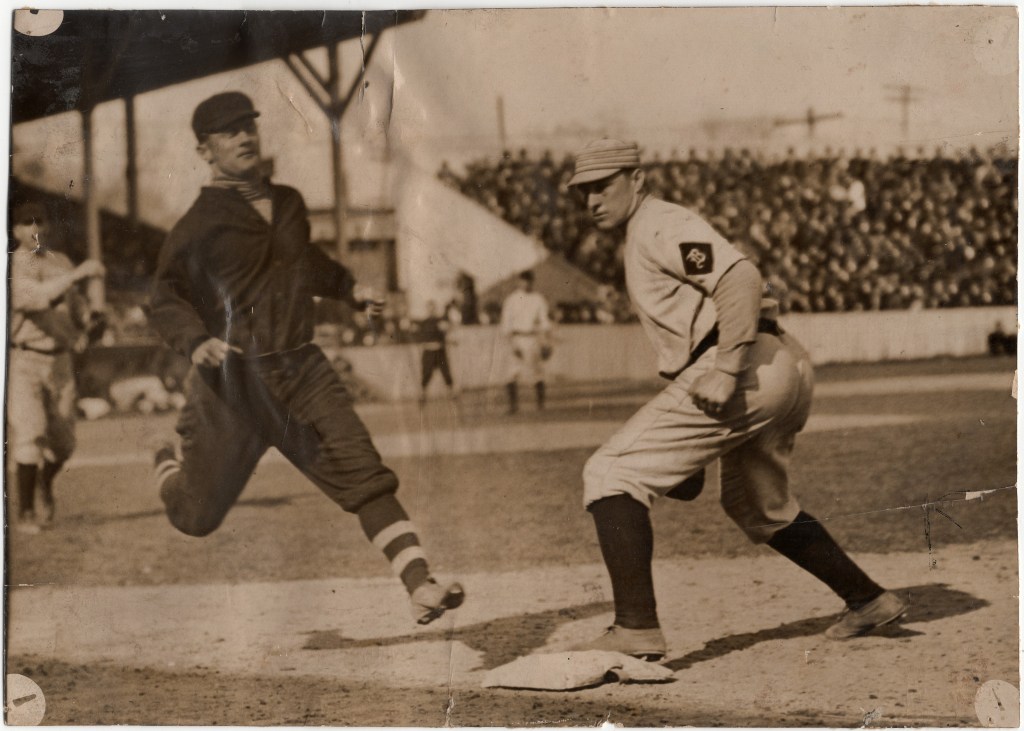
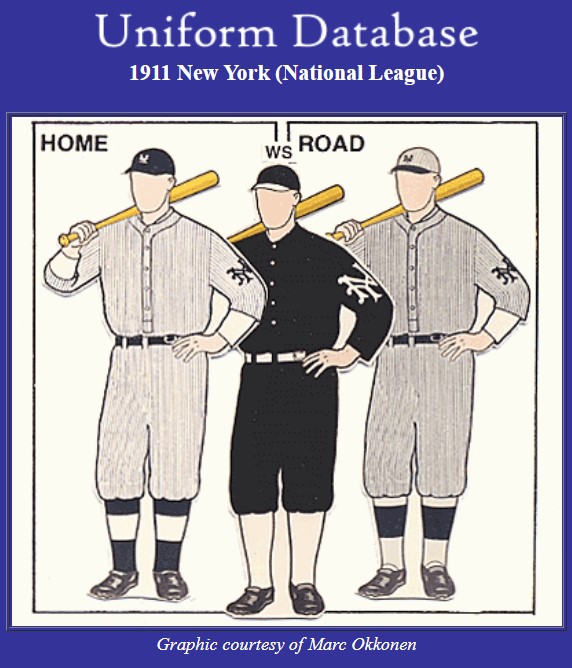
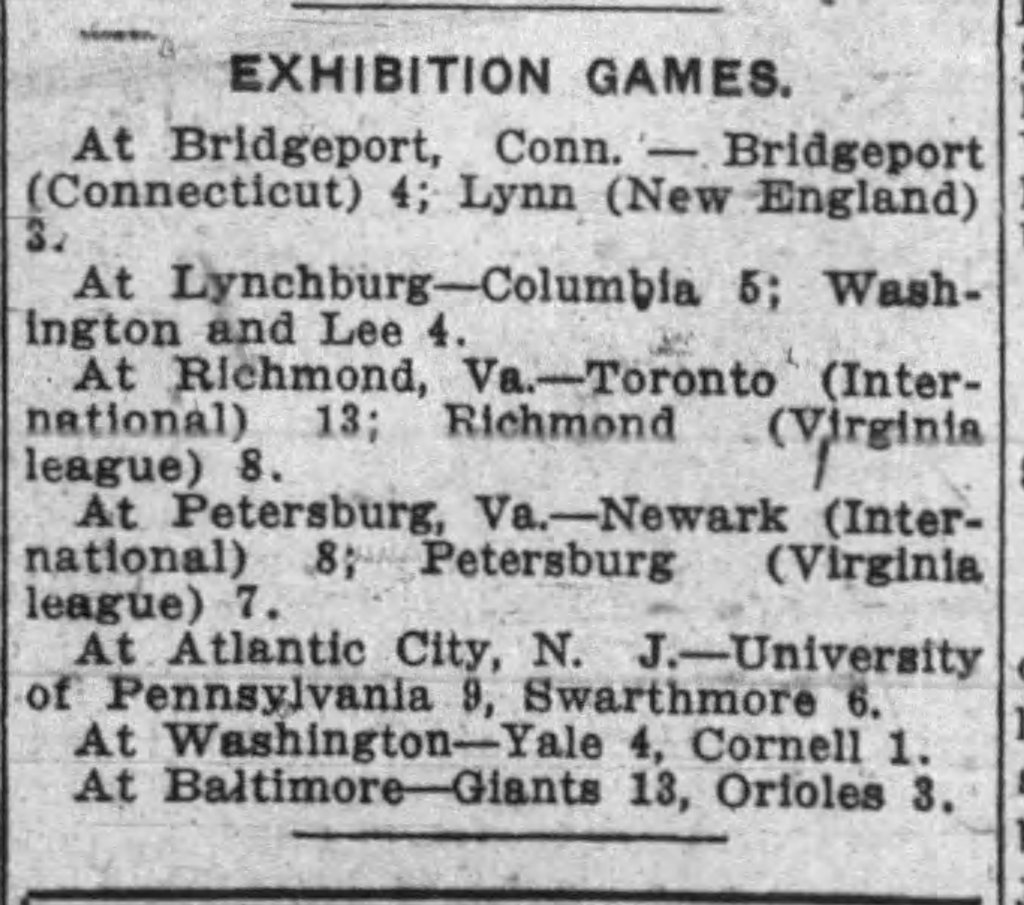
In the next photograph we can see Red Murray (NY Giants, 1909-15) running to 1st base, as an opposing team attempts to make the play. We can see that the player looks like Red Murray, but none of the uniforms are absolutely professional. The ballpark location seems “sub-par” for a professional team, suggesting a Spring Training facility or exhibition game. It turns out that the New York Giants are playing an exhibition game against the historically stout Baltimore Orioles, on April 6th, 1912 at Oriole Park. Murray’s uniform is combination of the New York Giants’ 1911 World Series uniform and the 1912 uniforms. Dating based on a uniform alone can be flawed; Viewing the complete scene, allows for a more complete assessment.
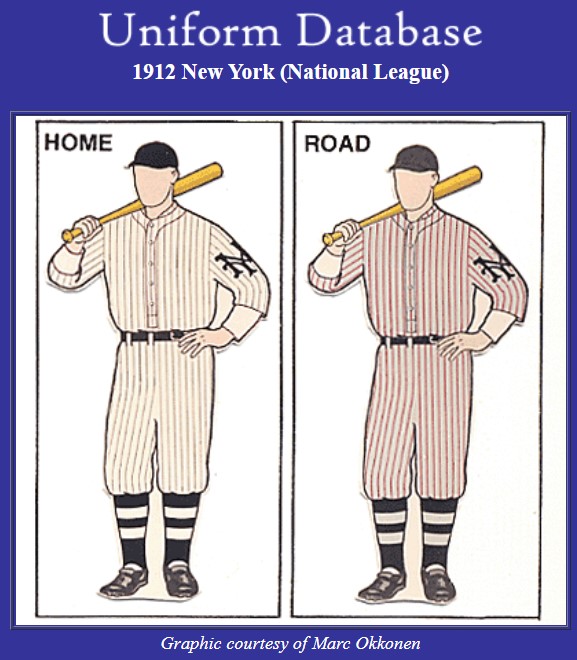
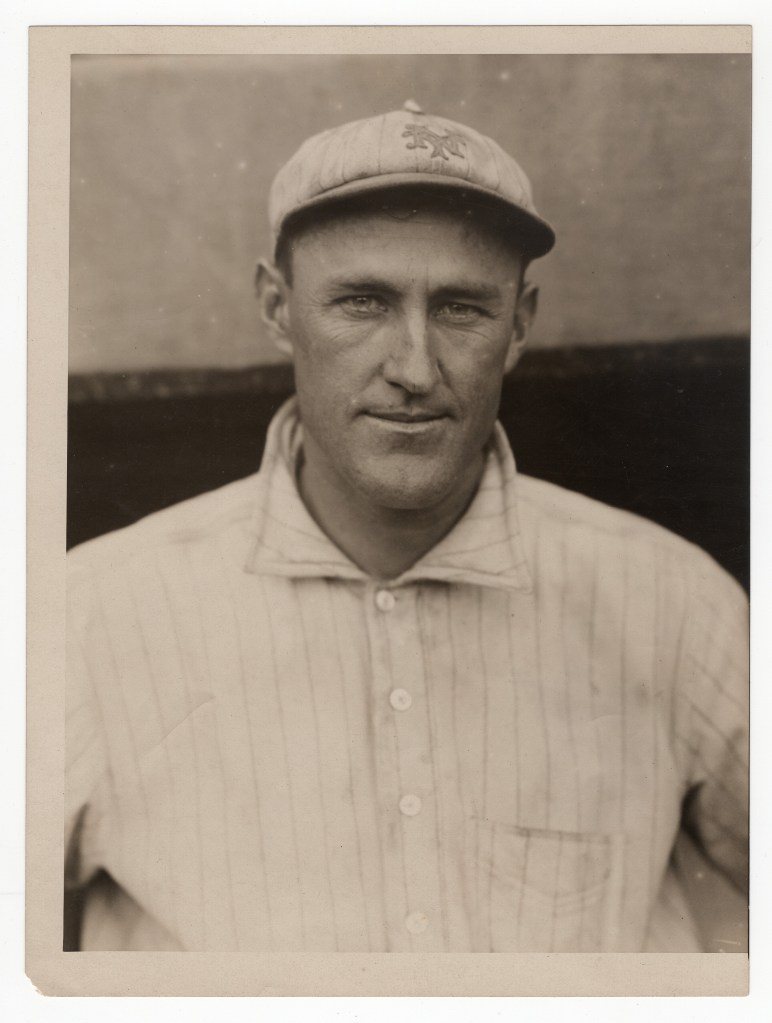
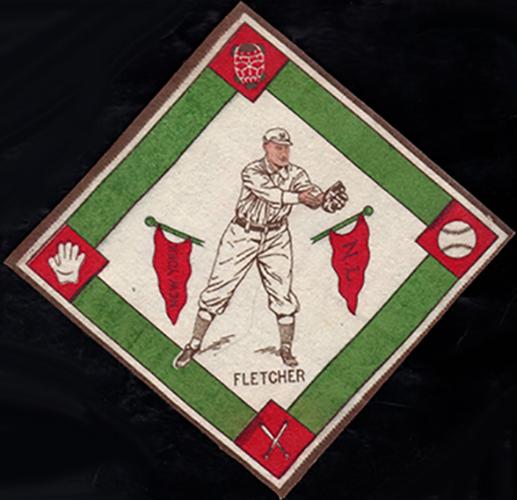
Next we have longtime New York Giant, Artie Fletcher batting at a Spring Training facility. The back of the photograph is date stamped “Jun 7 1918”, and Fletcher’s uniform is a bit unusual; Note the popped collar, a style predominant to the early 1900’s; However, Fletcher played for the Giants from 1909-20, and the Giants’ discontinued the collared uniform style after the 1905 season.
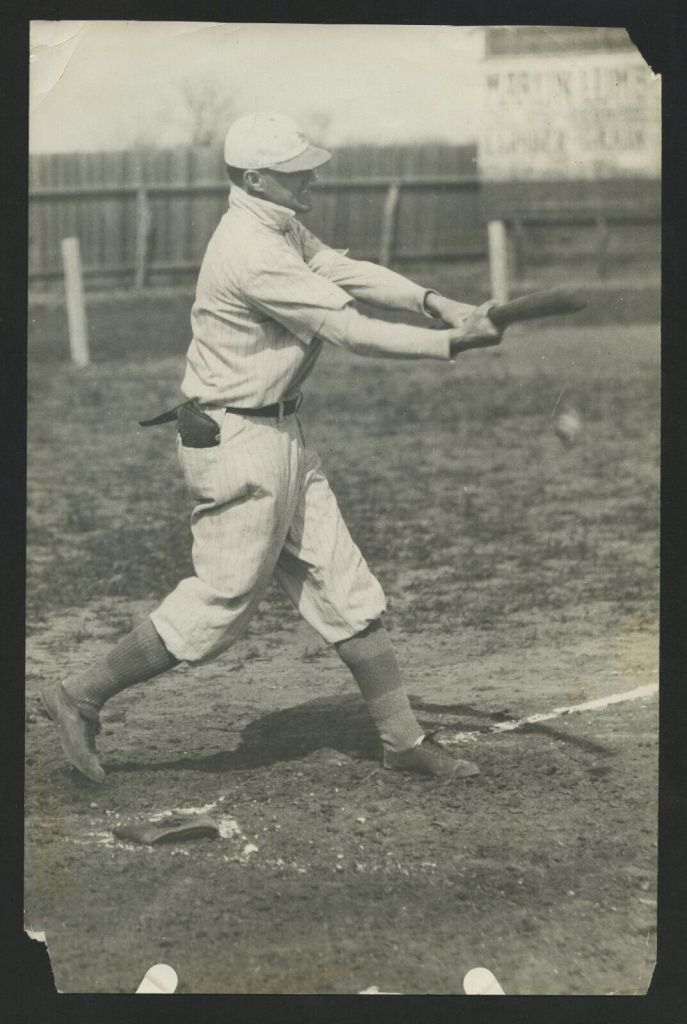

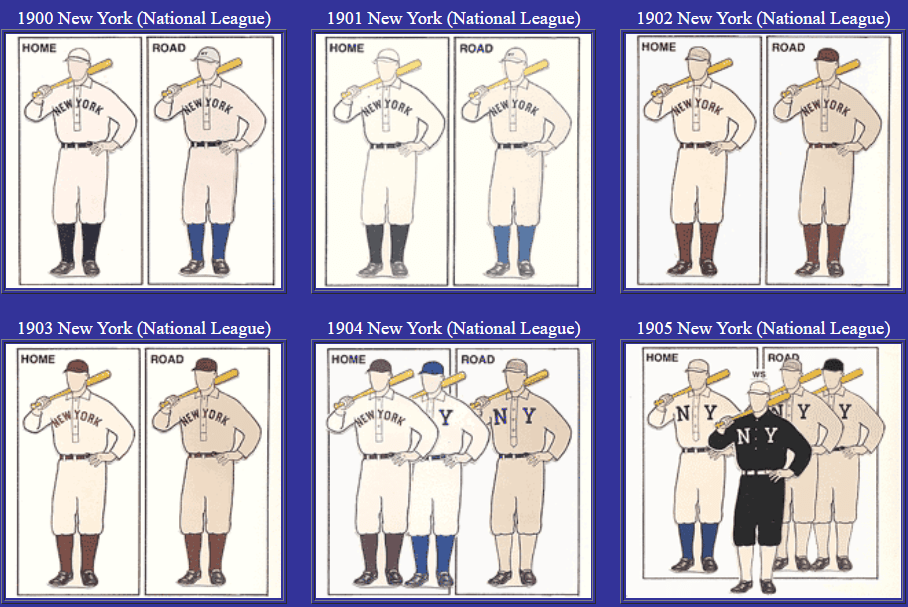
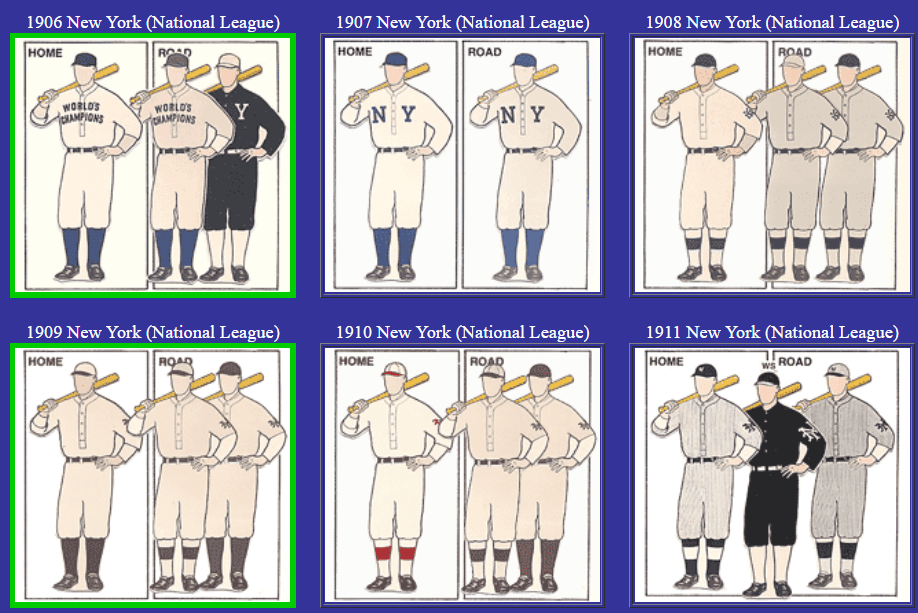
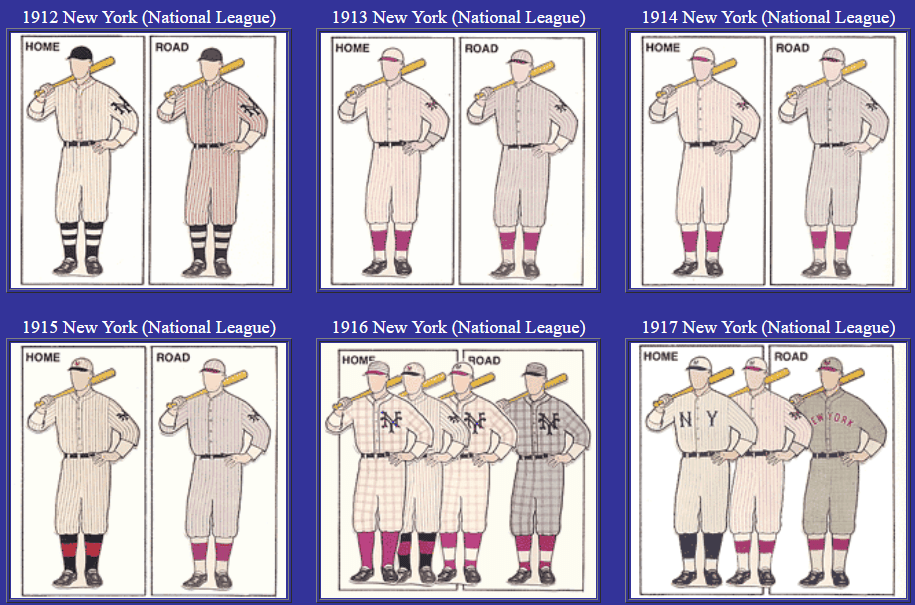
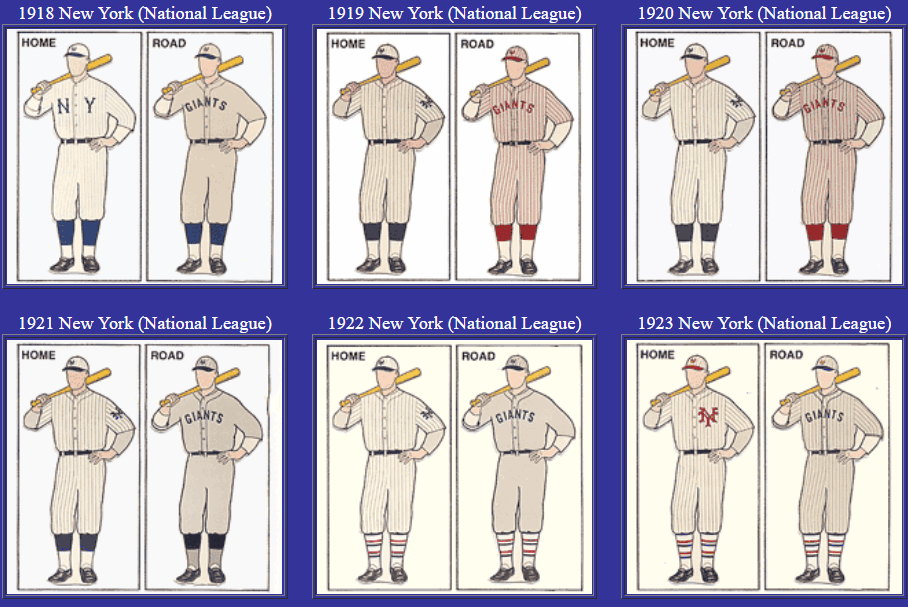
It turns out, that apparently Fletcher was self-conscious about his jutting chin and he had a collar sewn into his uniforms for much of his playing career, which he “popped” to help hide it. Sourced from the SABR article below.
https://sabr.org/bioproj/person/art-fletcher/
However, by the 1920’s Fletcher appears to have become comfortable with his hang-up.
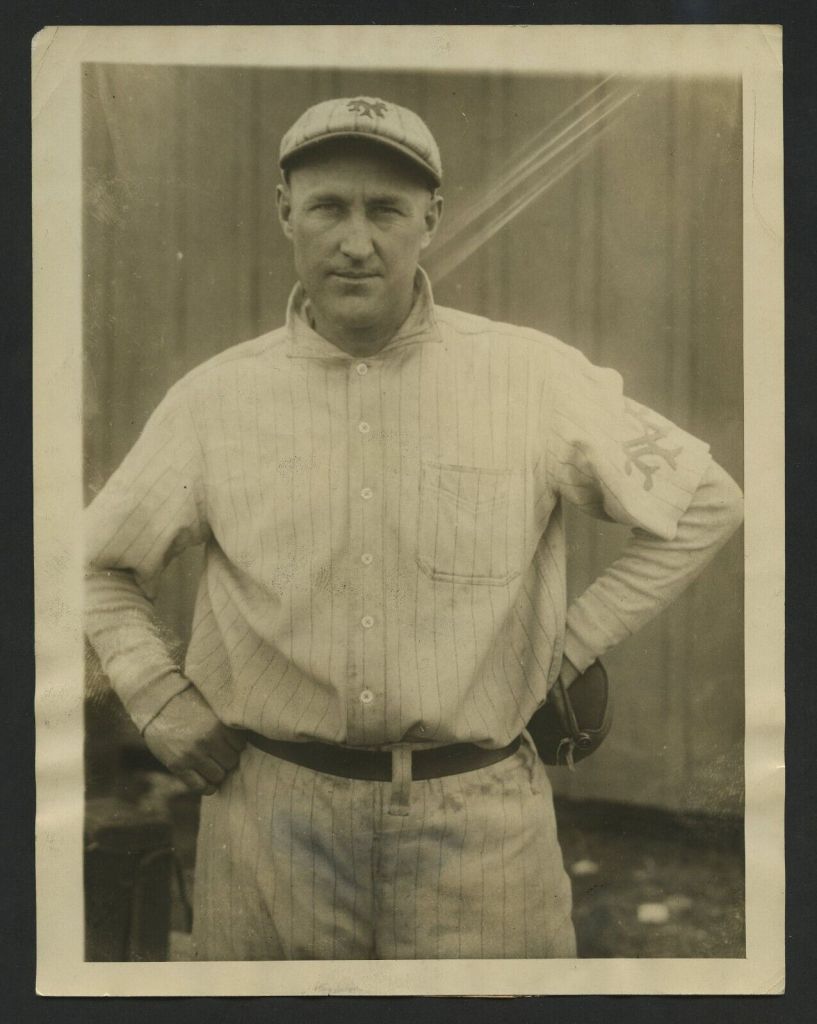
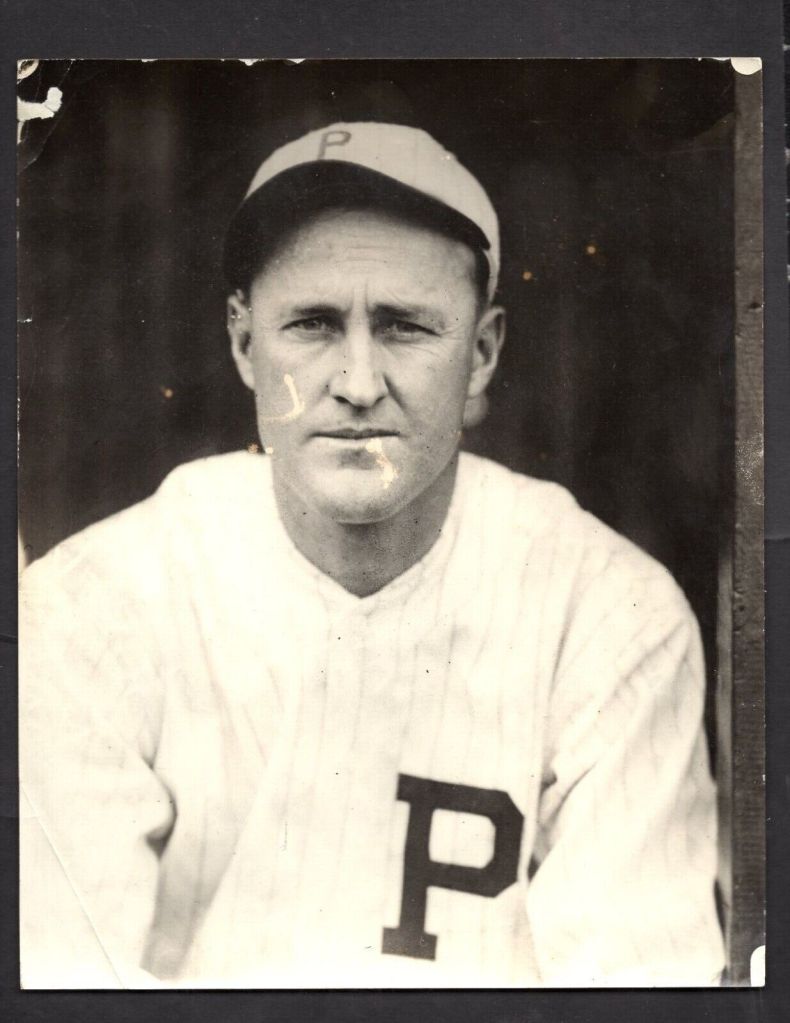
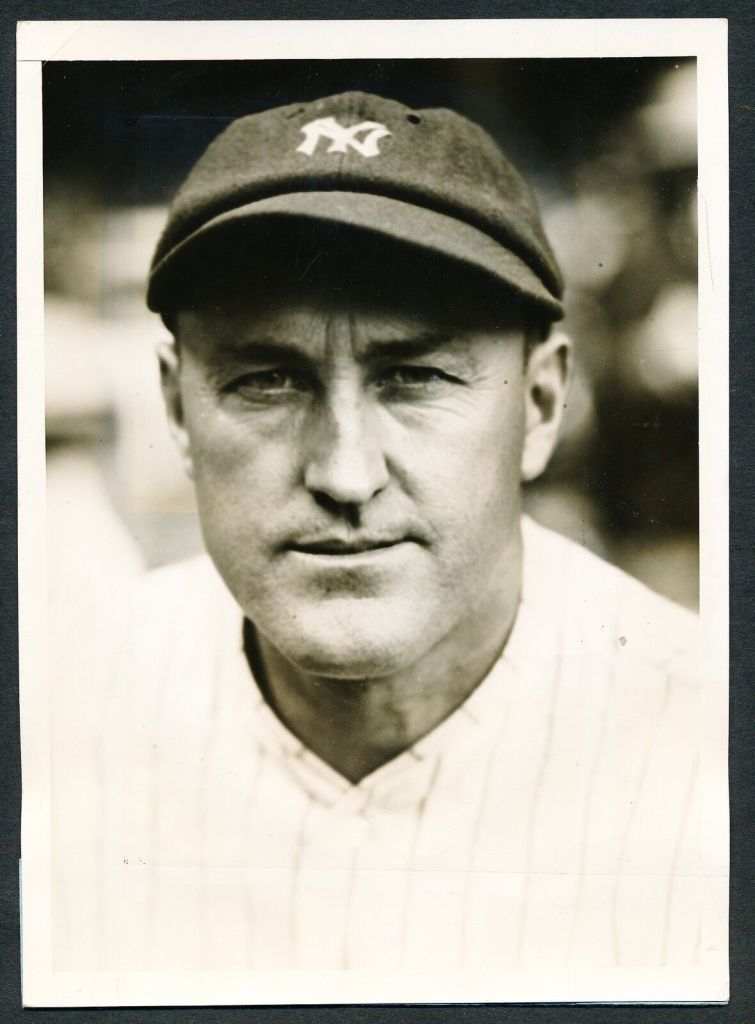
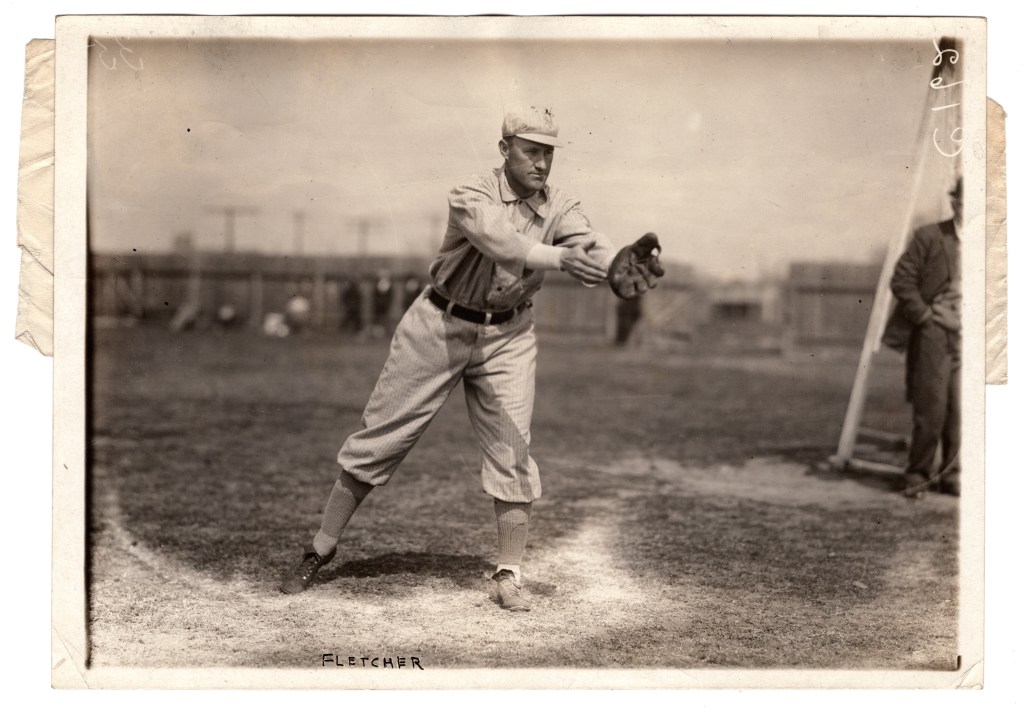
The risks involved with an analysis
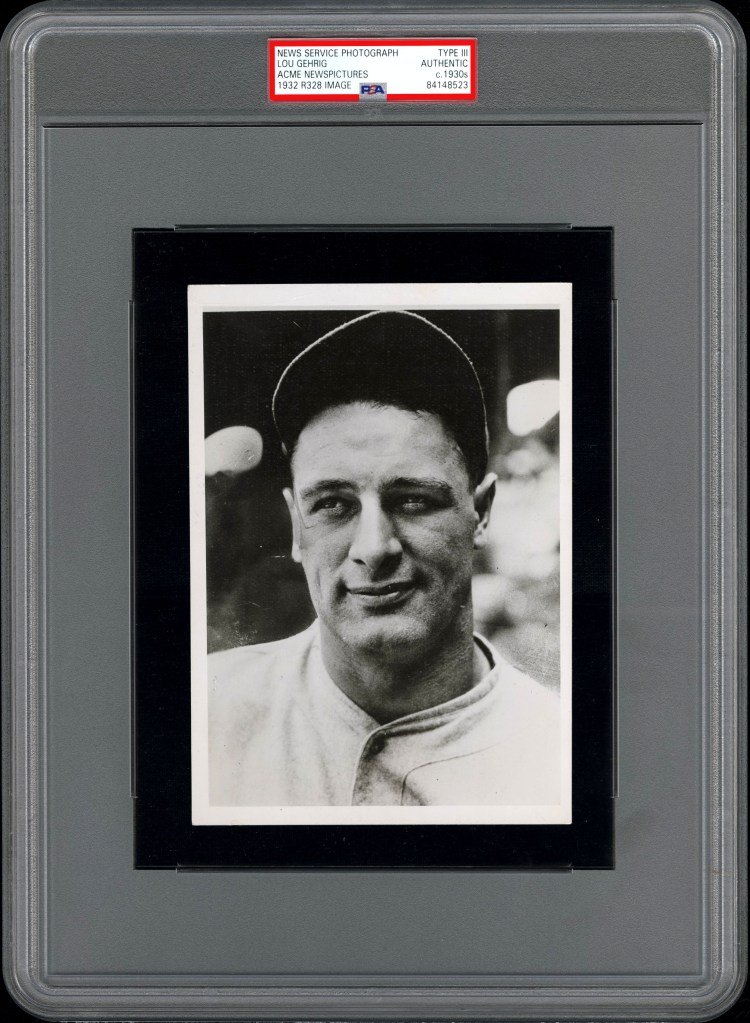
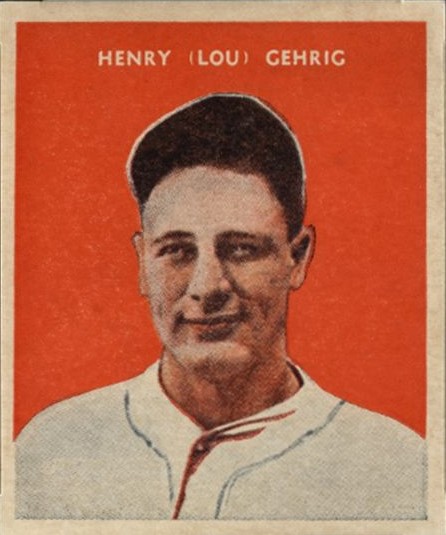
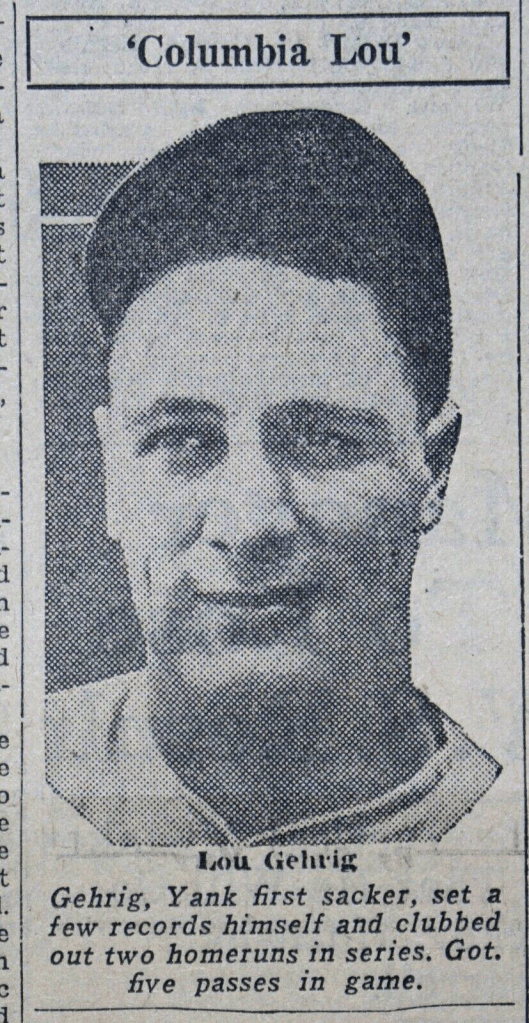
One would likely always prefer a “better” result from research/analysis, whether older, rookie, MVP season, etc.; However that is not always the outcome. This “1930’s” Lou Gehrig Type 3 photograph was found to now be (by technical definition) a Type 4, as the image was used in a 1928 newspaper. As the photograph hobby matures, hopefully more focus will be on the content and context of the photograph, rather than just “the flip”.
1911 Ty Cobb sliding Addie Joss Day RPPC?
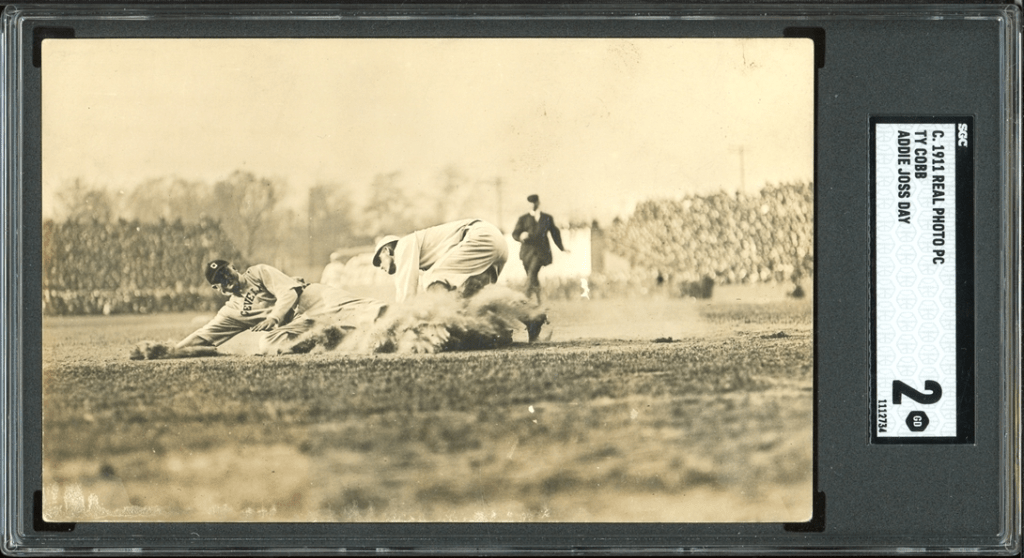
This since debunked and subsequently invalidated “Ty Cobb sliding at the Addie Joss Benefit Game”, was almost auctioned to an unlucky buyer, as Addie Joss Day items bring a premium in the hobby, sometimes as much as 40X the hammer price of a comparable non-Addie Joss Day collectible.
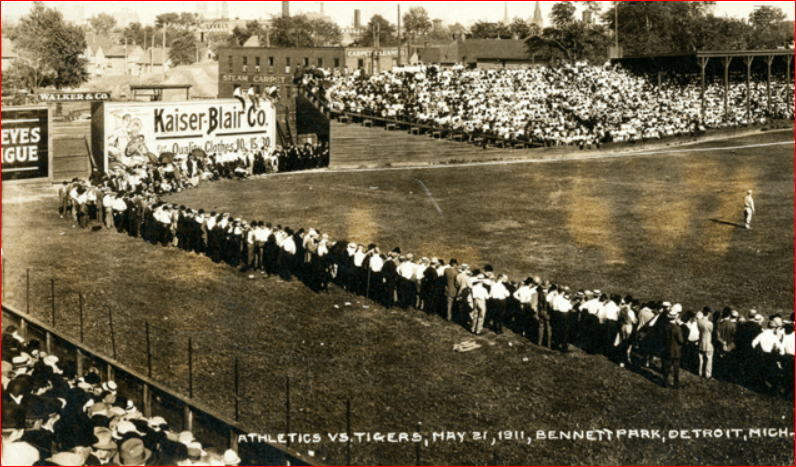
The Addie Joss Benefit game was held on July 24, 1911, at League Park in Cleveland, OH. The one detail that raised suspicions is the location, as the image was taken at Bennett Park in Detroit, MI.
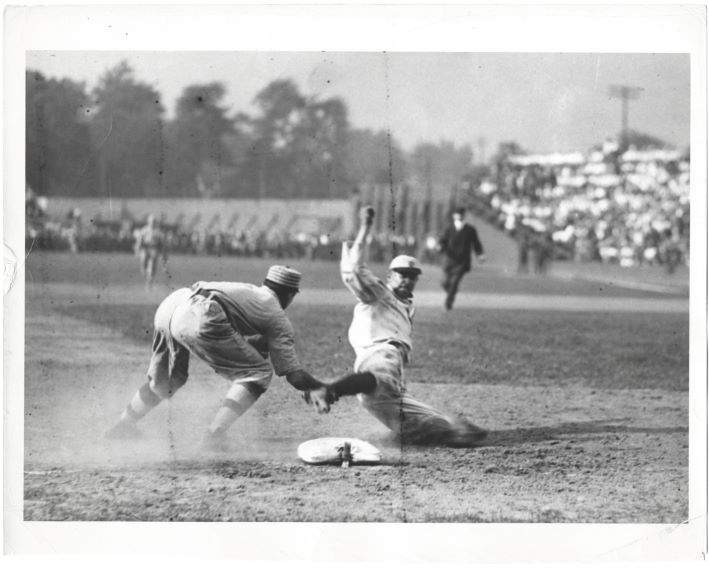
Once one looks past “the action”, it’s rather clear, that the image was taken at Bennett Park in Detroit, not at League Park in Cleveland, and thus cannot be from Addie Joss Day. Cobb is in the Tigers’ home whites in both comparison photographs, and although the “slider” in the subject RPPC is donning a Cleveland uniform (which would be correct for an Addie Joss Day scenario, as Cobb forgot his uniform for the benefit game and wore a Cleveland uniform), the location of the image is enough to disprove the subject image being taken at the event. Note the angled feature at the end of the 1st baseline grandstand, in each image; Compare that to back area of Bennett Park and League Park in Cleveland- It is clear that they do not match.
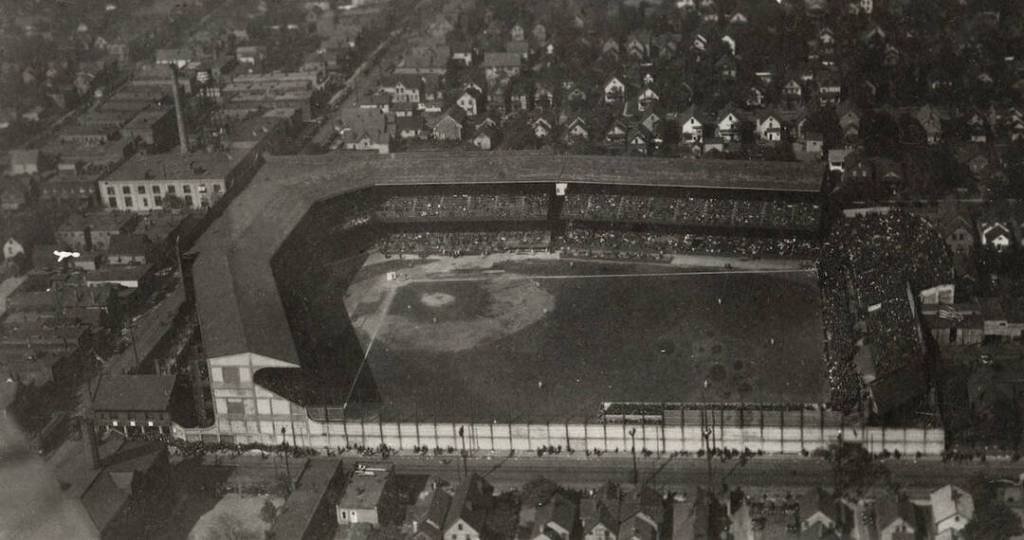
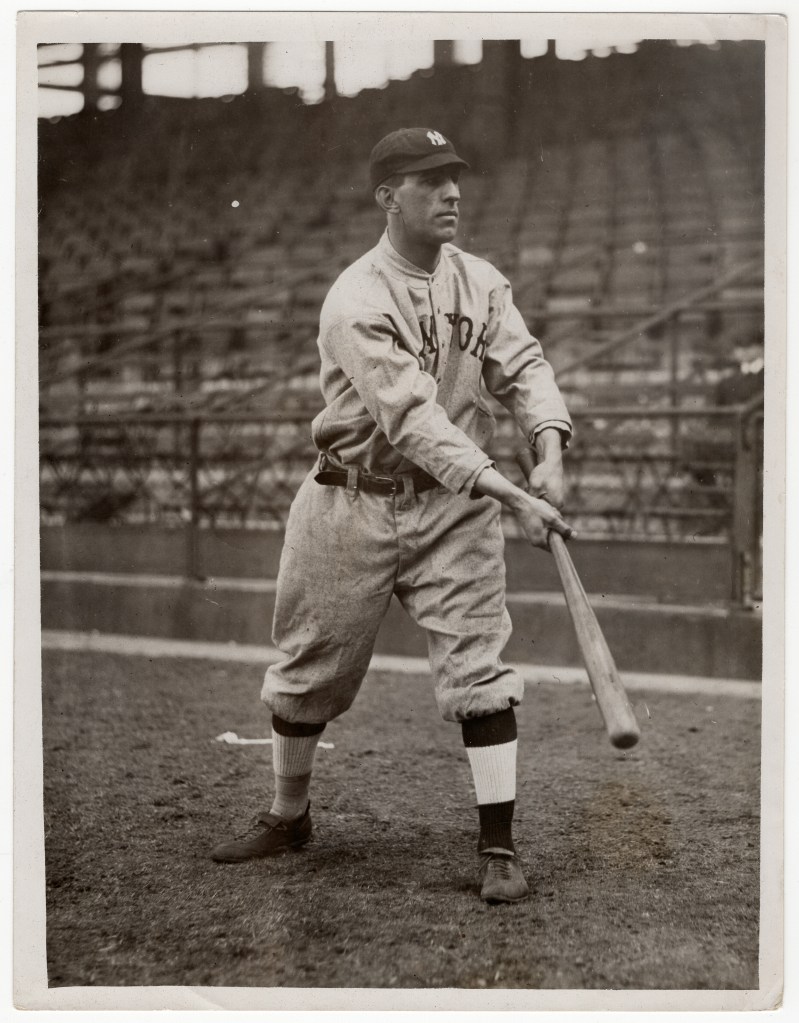
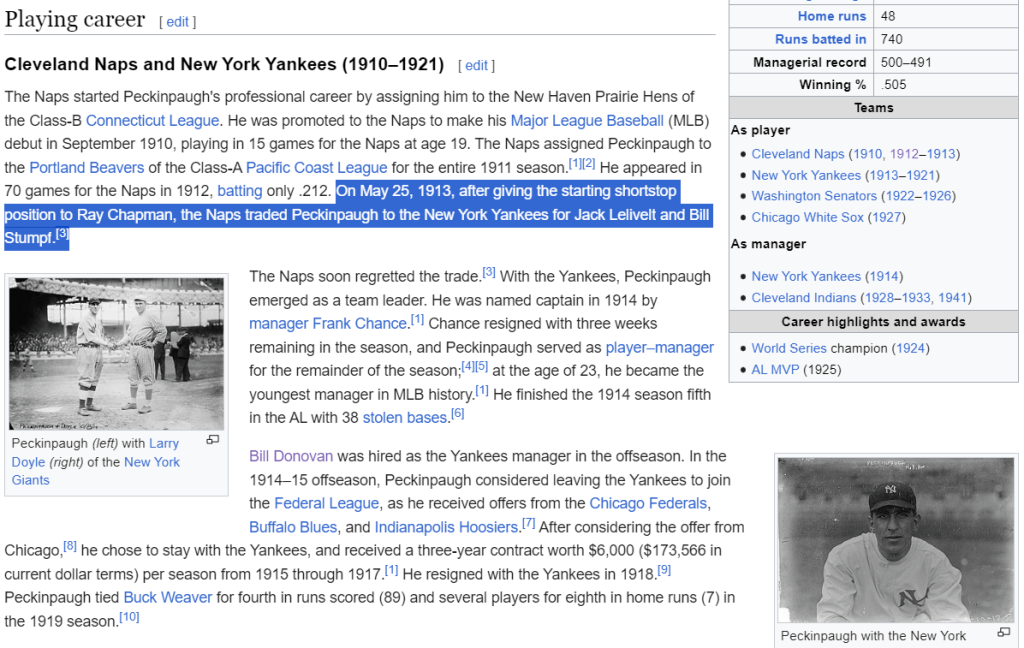
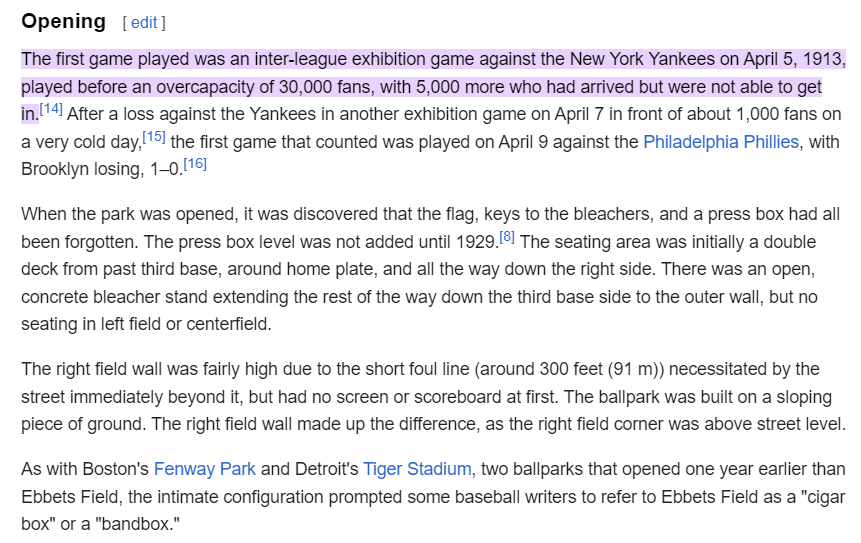
1913 Roger Peckinpaugh at Ebbets Field
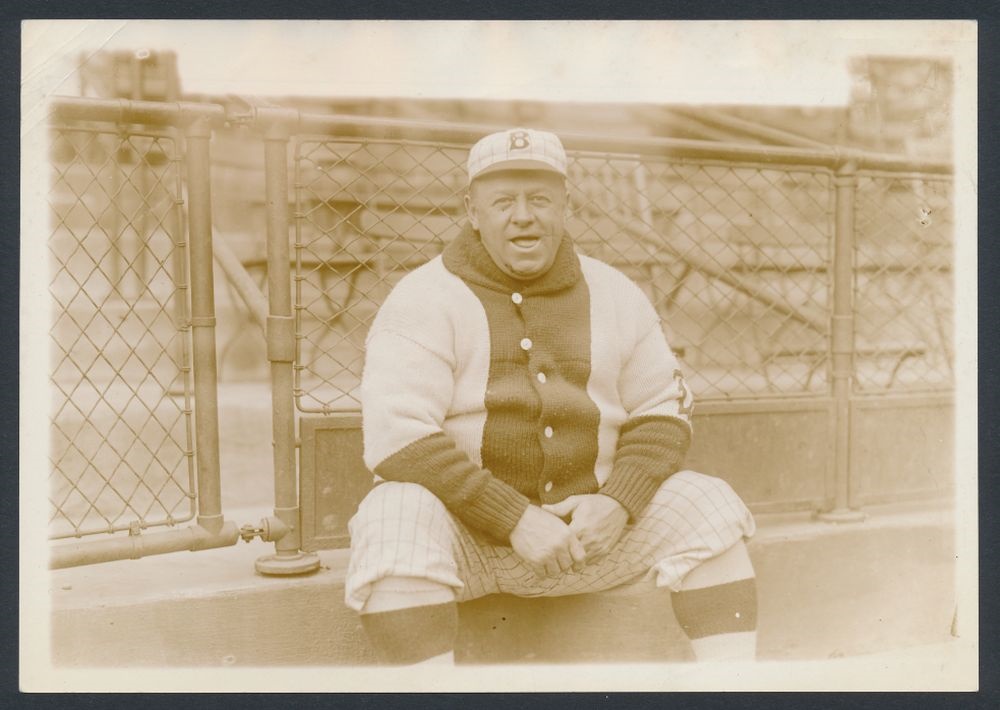
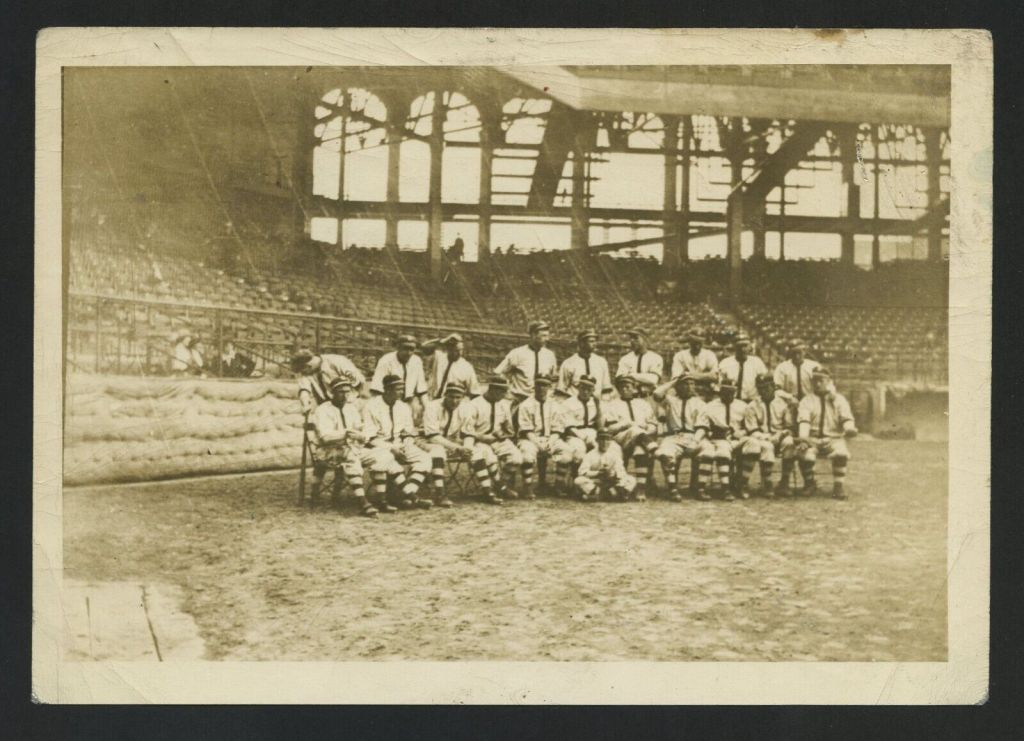
A close look at background details reveals an even more significant scene. This fantastic posed batting photo of the future captain of the New York Yankees, was taken at Ebbets Field, during an exhibition game prior to the 1913 season- technically the first game played at Ebbets Field. Take a look at the details making the case- including the elevated step, fencing style and the unique style of chairs in the box seats.
A note about Type classifications of photographs-
As the vintage photograph market is maturing, many vintage photo collectors have watched Type 1 photographs become harder to obtain, as competition heats up and prices continue to rise; And ultimately, a Type 1 photograph (developed from the original negative, around the time of the event) is generally regarded as the best possible original photo, both in clarity and in vintage, but I would encourage you to not overlook the “subordinate” photographs. This can be done by viewing ALL photographs, as the potentially dynamic artifacts that they are. Don’t just discredit a non-Type 1 photo, I challenge you to delve deeper and appreciate the photographic hobby in its entirety.
CONTENT
Another example, speaking to the context of when and how a photograph was developed is this recent addition, featuring Babe Ruth (image from 1921) and Lou Gehrig (image from 1923) which was developed in 1927, while the duo’s heated homerun battle was unfolding, with Ruth being the ultimate victor that year with a record 60 home runs. Combined, Ruth and Gehrig would hit 107 home runs that season with Lou winning the American League MVP, batting .373 with a single-season record of 175 RBI’s.
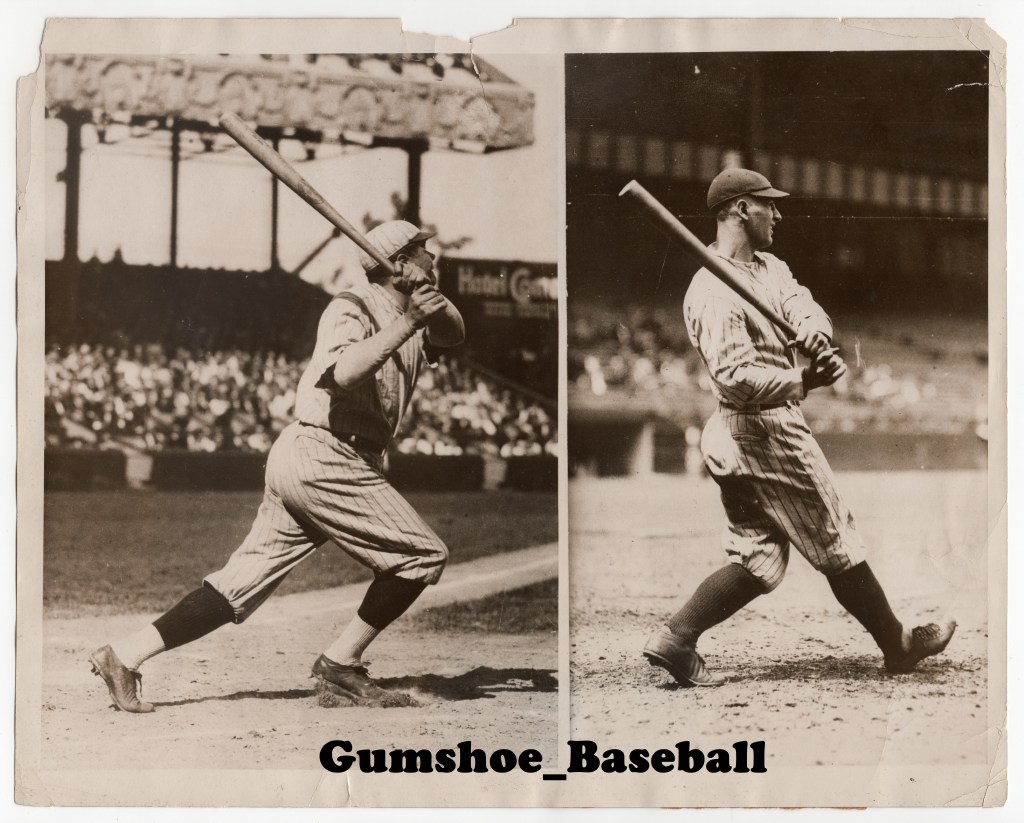
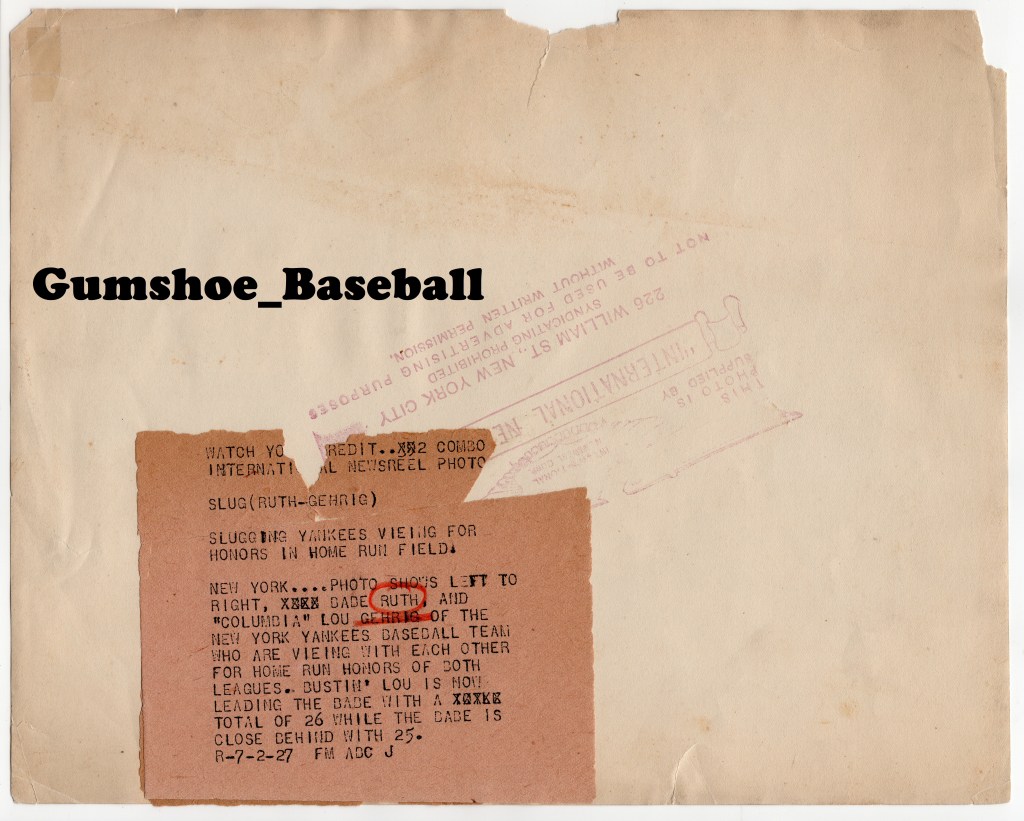
By technical definition, this would be classified as a Type 4 photograph (from a duplicate negative, later than when an image was created), but clearly the photograph has so much going for it that it cannot be overlooked, nor undervalued. The Ruth image, showing The Great Bambino in the single year Yankee’s uniform (1921) at The Polo Grounds has been used for multiple cards (including Ruth’s 1926 Kut-Outs and 1932 Sanella Margarine, among numerous others) and various advertisements and publications over the years; And the Gehrig image (recognizable from Lou’s 1928 Exhibits card) originates from Lou’s first stint with the Yankees in June of 1923, arguably a pre-rookie image. Also, a fantastic overall compositional artifact as both are at the plate during the 1927 single season Home Run battle, between Ruth and Gehrig.
CONTEXT
For example, a Type 2 photograph (developed from the original negative, but later than when the negative was created), could be just outside of the Type 1 window designation, yet it is categorized and grouped along with Type 2 photographs that were developed as late as yesterday. There are various drivers and factors (other than just content) tied to photograph collecting, such as a photograph developed during a player’s playing career, a player’s lifetime, and dates “of significance”, that can all add interest, context, and ultimately value to a non-Type 1 photograph. Take the photograph below, in point, which has since been deaccessioned from the collection.
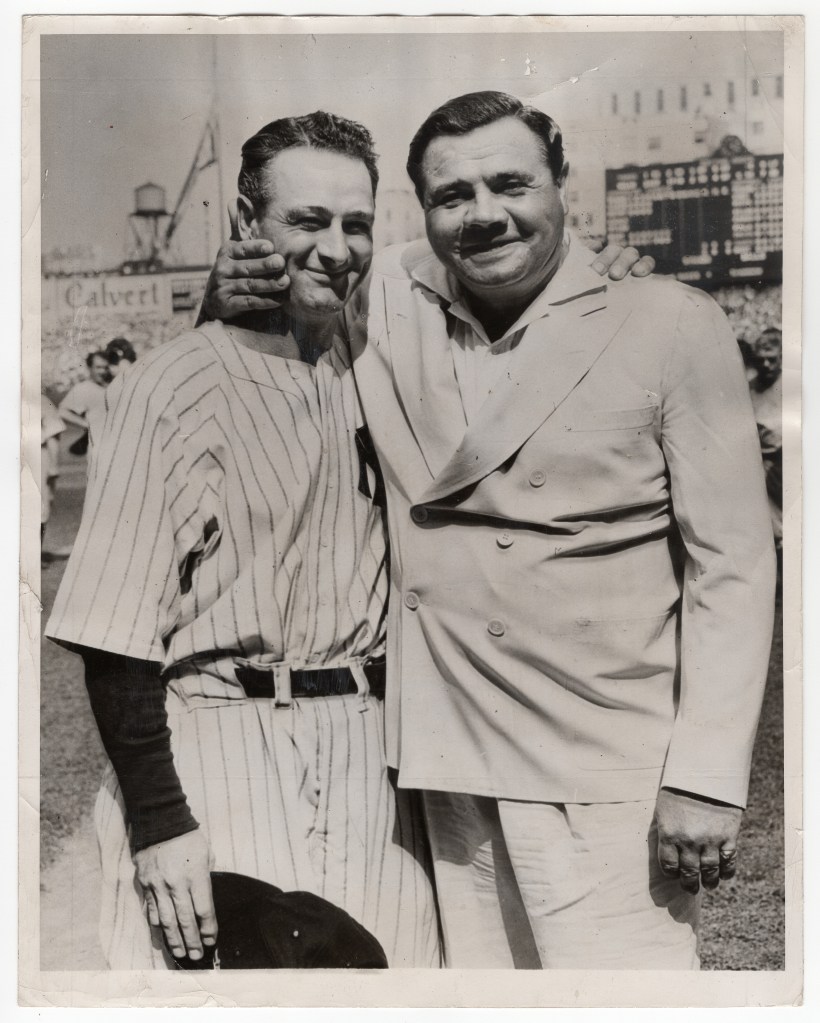


The clear significance (as compared to some “other” Type 2 versions of this photograph) is the June 3, 1941 use of the photograph, just 1 day after Lou Gehrig passed away.
ORIGINALITY
Another aspect of non-Type 1 photographs, is that a Type 1 may no longer exist, and while some caution must be applied to each photograph, there can be additional appreciation and value assigned to these artifacts, as they are comparable to the relationship between a near-mint card and a gem mint card.
Case in point, is this 1912 “Bullet” Joe Bush photograph, by the Bain News Service. The Library of Congress houses many of Bain’s original negatives, one of which is the negative for this photograph. https://www.loc.gov/item/2014694492/
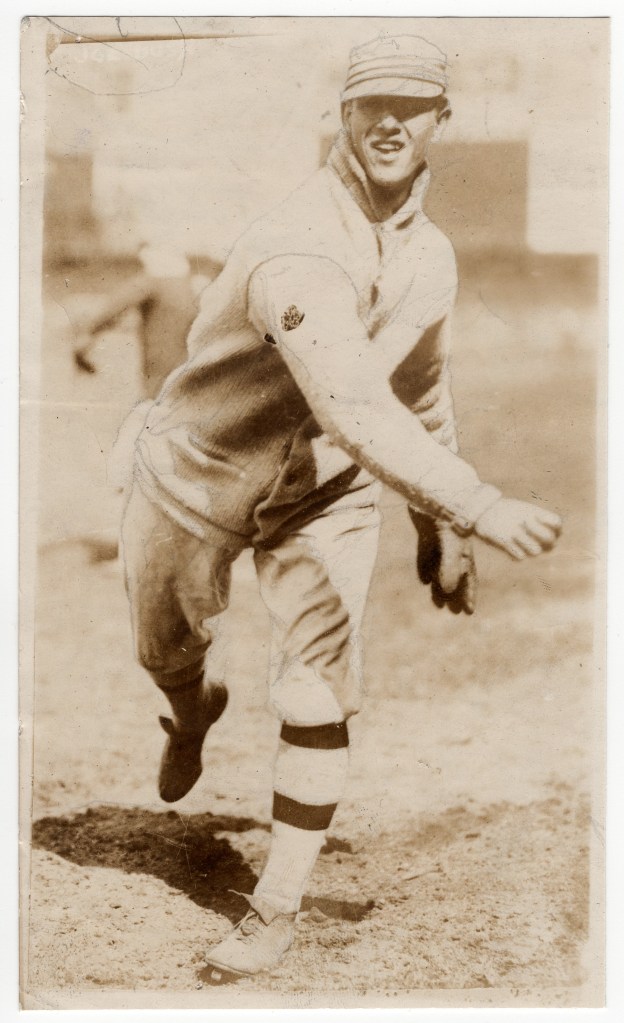
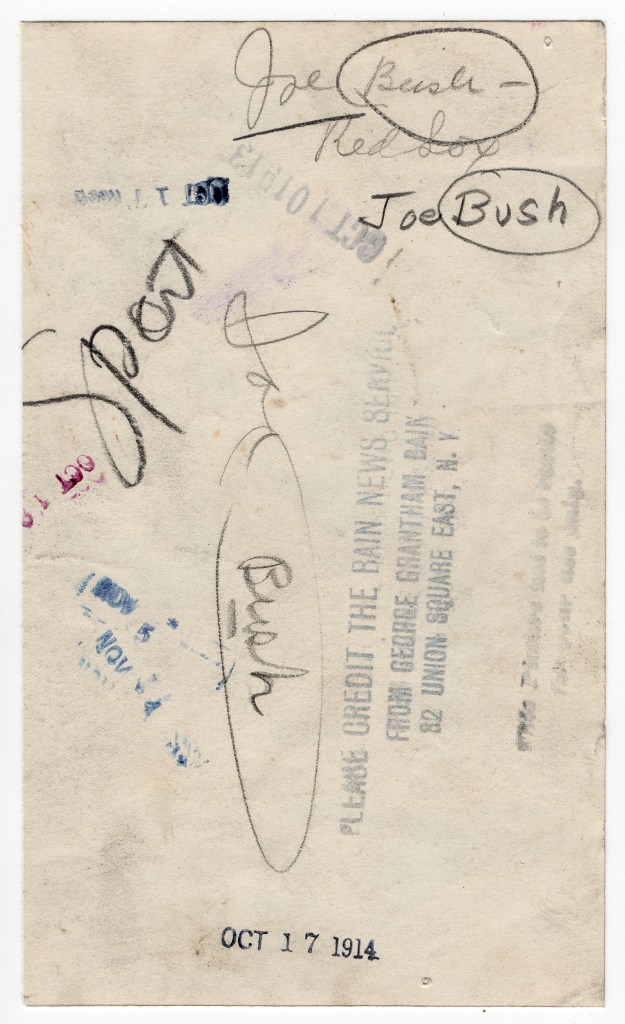
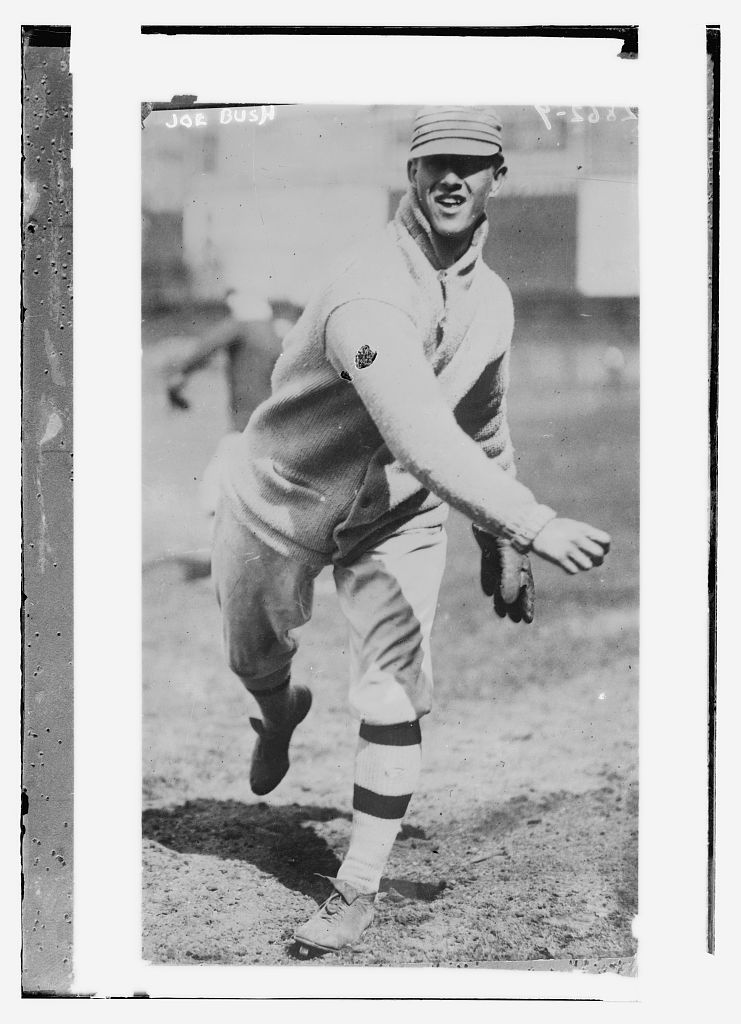
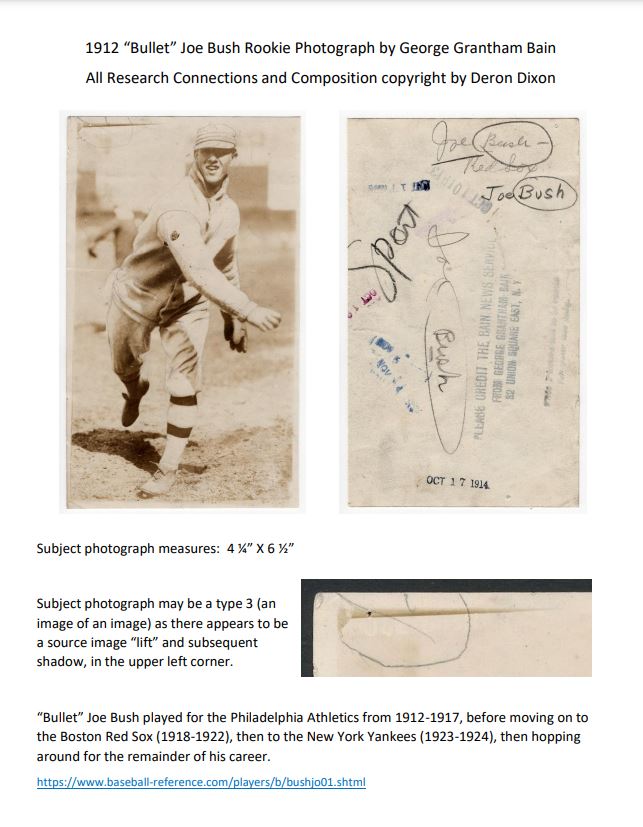
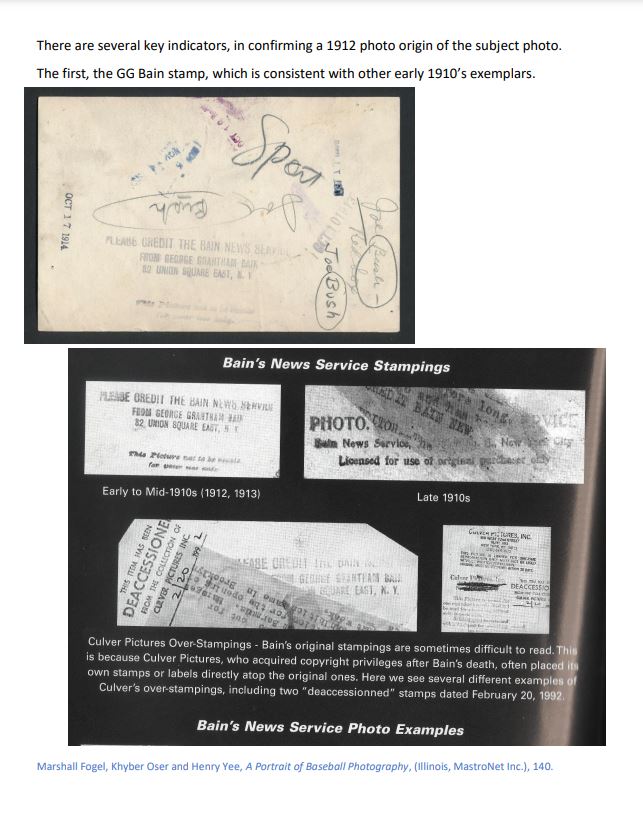

This does make a strong case that an original Type 1 no longer exists, and suggests that it was the final version by Bain, as his original 1912 stamp graces the back of the photograph.
M114 Supplement image usage- Card Image Origins
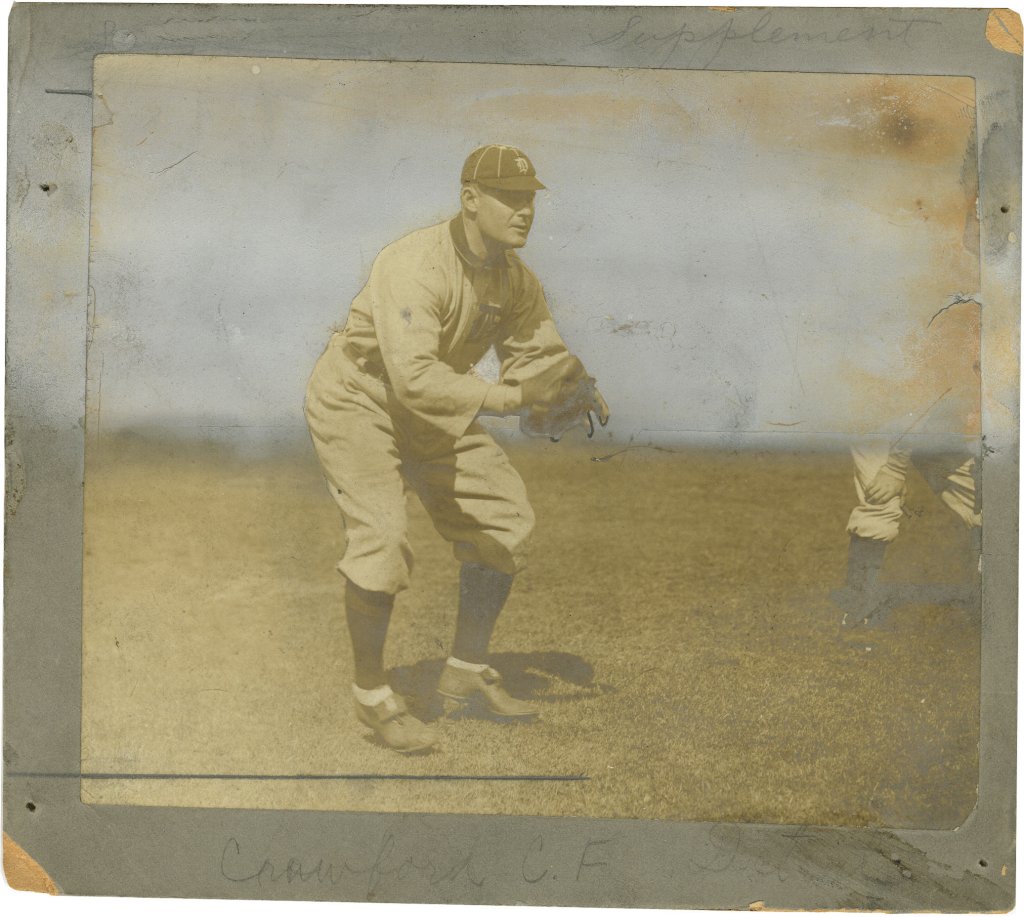
Several card issues from the 1920’s and 1930’s, appear to have been created using M114 Baseball Magazine Supplements. Check out the case on the Supplement Page.
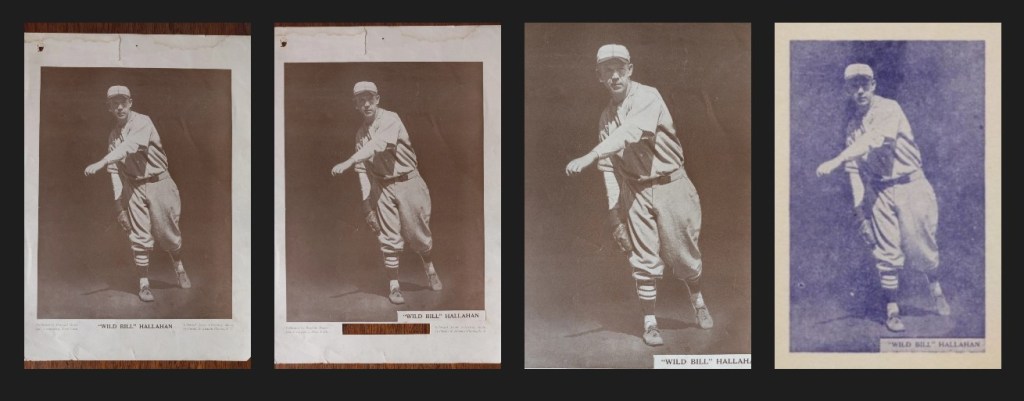
Copyright Gumshoe Baseball. All rights reserved. Source cite required.

